Onions are a versatile and essential vegetable in many kitchens, and growing them in Zone 6 can be quite rewarding. This region typically experiences a moderate climate, making it suitable for various onion varieties.
Understanding the right planting times, soil conditions, and care techniques will help you achieve a bountiful onion harvest.
Creating the Perfect Garden Bed for Onions
Establishing a vibrant garden bed is essential for growing healthy green onions.
The first step is selecting a location that receives ample sunlight, as onions thrive in bright conditions.
A well-drained, fertile soil is crucial for their growth, so consider enriching your garden bed with organic matter before planting.
Preparing the soil involves loosening it to a depth of at least 12 inches.
This allows the roots to spread easily and access nutrients.
Mixing in compost can enhance soil fertility, providing the necessary nutrients for robust onion development.
Choosing the Right Onion Varieties
In Zone 6, gardeners have the flexibility to choose between short-day and long-day onion varieties.
Short-day onions are ideal for southern regions, while long-day varieties flourish in northern areas.
Both types can be successfully grown in this zone, offering a range of flavors and uses.
When selecting onion sets or seeds, consider your culinary preferences.
Different varieties can yield distinct tastes and textures, adding versatility to your kitchen.
Researching local recommendations can also guide you in making the best choice.
Optimal Planting Techniques
Timing is key when planting onions in Zone 6.
For spring crops, aim to plant onion sets or seeds about 4-6 weeks before the last frost date.
Alternatively, for a fall harvest, late summer planting is ideal.
Spacing is another important factor.
Onion sets should be placed approximately 4-6 inches apart within rows that are 12-18 inches apart.
This spacing allows for adequate air circulation and minimizes competition for nutrients.
Essential Care Practices
Regular watering is vital for maintaining healthy onion plants.
Aim for about 1 inch of water per week, ensuring the soil remains consistently moist without becoming waterlogged.
Overwatering can lead to root rot, so monitoring soil moisture is essential.
Applying a balanced fertilizer every few weeks can significantly enhance growth.
This practice provides the necessary nutrients that onions require during their growing season.
Additionally, regular weeding helps reduce competition for resources, promoting healthier plants.
Harvesting Your Onions
Knowing when to harvest is crucial for enjoying the fruits of your labor.
Onions are typically ready for harvest when their tops begin to fall over and turn yellow, usually occurring in mid to late summer for spring-planted varieties.
This is a sign that they have reached maturity.
To harvest, carefully lift the onions from the soil, taking care not to damage them.
After harvesting, allow the onions to cure in a dry, shaded area for a couple of weeks.
This process helps to enhance their flavor and prolong storage life.
Creating a Thriving Gardening Space
A vibrant garden filled with green onions not only provides fresh produce but also enhances the aesthetic of your outdoor space.
Consider incorporating decorative elements, such as colorful flowers or garden art, to complement your onion bed.
This can create a visually appealing environment that encourages you to spend more time gardening.
Having a few essential gardening tools nearby can make the process more enjoyable and efficient.
Keep your tools organized and accessible to streamline your gardening tasks.
With a little effort and care, your garden bed can flourish, providing you with a bountiful onion harvest.
Guide to Cultivating Onions in Zone 6
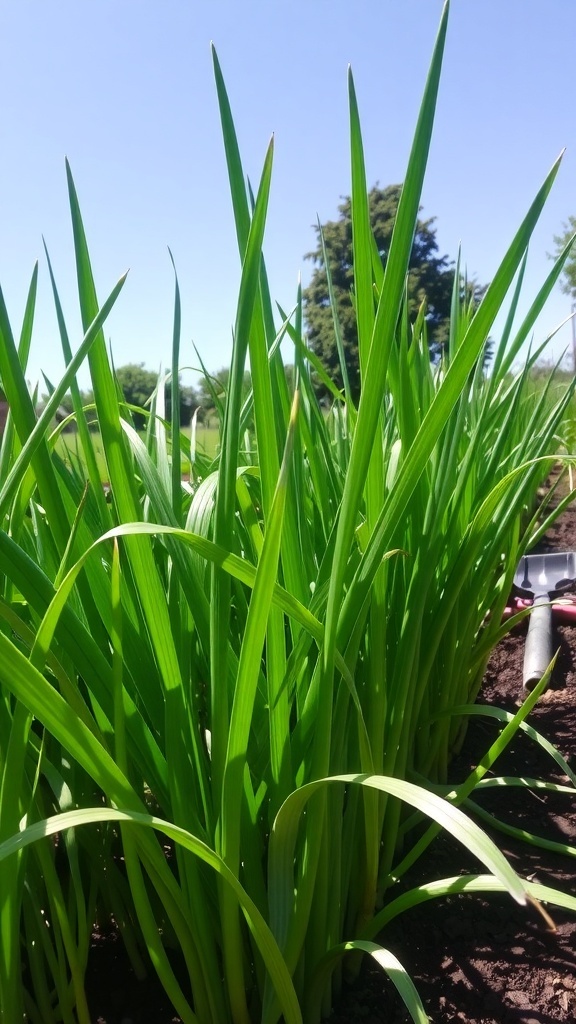
In Zone 6, onions can be grown as both spring and fall crops. They thrive in well-drained, fertile soil with plenty of sunlight. Proper watering and fertilization are crucial for healthy growth.