Parmesan cheese, known for its distinct flavor and texture, typically exhibits a pale yellow to golden hue. This color can vary based on factors such as the milk used, the aging process, and the specific production methods employed.
Understanding the color of Parmesan can enhance your appreciation of this cheese, as it often reflects its quality and the care taken in its production.
Understanding Parmesan Cheese Color
Parmesan cheese is renowned for its unique flavor profile and texture, which are often reflected in its color. Typically, this cheese displays a pale yellow to golden hue, a characteristic that can vary based on several factors.
The milk used, the aging process, and the production methods all play significant roles in determining the final color of Parmesan. By examining these aspects, one can gain a deeper appreciation for the cheese’s quality and the craftsmanship involved in its creation.
Characteristics of Parmesan Cheese Color
The diet of the cows that produce the milk is a primary factor influencing the color of Parmesan cheese. Cows that graze on lush pastures rich in carotenoids tend to produce milk that results in a deeper yellow cheese. In contrast, a paler color may indicate a lighter diet.
Moreover, the aging process contributes significantly to both the appearance and flavor of Parmesan. As the cheese matures, its color can deepen, and the flavor intensifies, creating a more complex tasting experience.
Texture and Quality Indicators
Beyond color, the texture of Parmesan cheese is another vital characteristic. A wedge of Parmesan often showcases a crystalline structure, which is a sign of quality. This texture is not just visually appealing; it also affects the cheese’s mouthfeel and overall enjoyment.
When you see shavings and grated pieces scattered around a wedge of Parmesan, it highlights the cheese’s rich flavor and texture. The lighting can further accentuate these qualities, inviting a closer look at the cheese’s intricate details.
Serving and Pairing Suggestions
Parmesan cheese can be enjoyed in various ways, making it a versatile addition to many dishes. It pairs wonderfully with fruits, nuts, and a variety of wines, enhancing the overall dining experience.
Whether grated over pasta, shaved onto salads, or enjoyed on its own, the distinct flavor of Parmesan shines through. Its color and texture can also elevate the presentation of a cheese board, making it an attractive centerpiece.
Conclusion: Appreciating Parmesan
Understanding the nuances of Parmesan cheese, from its color to its texture, can significantly enhance your appreciation for this Italian classic. The next time you encounter a wedge of Parmesan, take a moment to observe its characteristics and consider the craftsmanship behind it.
With its rich history and unique qualities, Parmesan cheese remains a beloved staple in kitchens around the world, inviting culinary creativity and enjoyment.
Characteristics of Parmesan Cheese Color
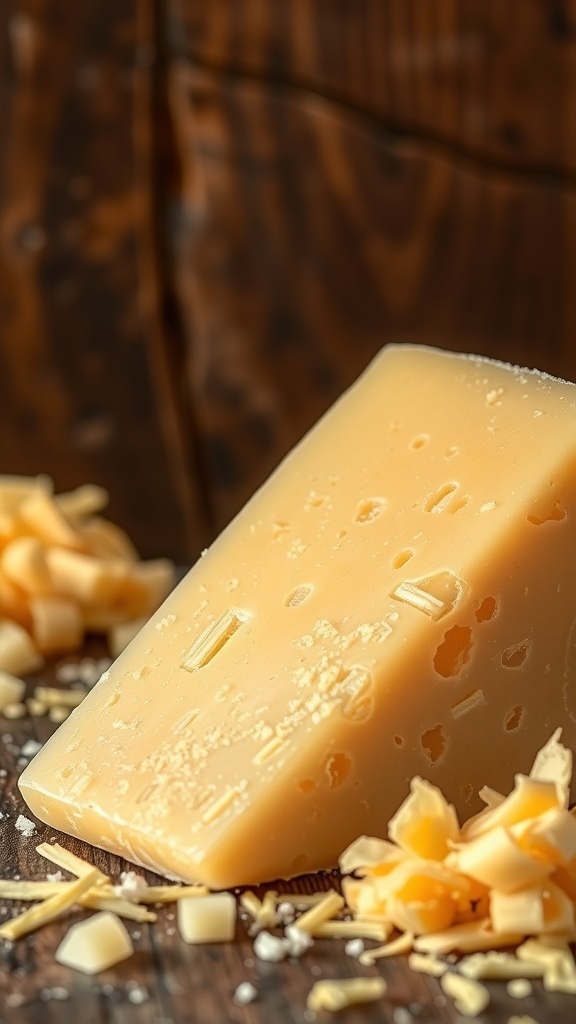
The color of Parmesan cheese is influenced by the diet of the cows, the type of milk, and the aging time. A deeper yellow color may indicate a richer diet high in carotenoids, while a paler color can suggest a lighter diet. The aging process also contributes to the overall appearance and flavor profile of the cheese.
Ingredients
Instructions
Cook and Prep Times
- Prep Time: N/A
- Cook Time: N/A
- Total Time: N/A
- Servings: N/A
- Calories: N/A
- Fat: N/A
- Protein: N/A
- Carbohydrates: N/A