Growing onions in Zone 4 requires careful timing to ensure a successful harvest. This region experiences cold winters and a shorter growing season, making it essential to plant onions at the right time.
Typically, onions can be planted in early spring as soon as the soil can be worked, usually around mid-April to early May. Starting onions indoors 6-8 weeks before the last frost date can also give you a head start.
Understanding the Growing Conditions for Onions
Onions thrive in specific conditions that promote healthy growth and robust flavor.
A sunny location is essential, as onions require full sun for at least six hours a day.
This exposure helps them develop strong bulbs and vibrant green tops.
Well-drained soil is another critical factor.
Onions prefer soil that allows excess water to escape, preventing rot and disease.
Incorporating organic matter into the soil can enhance its fertility and drainage, creating an ideal environment for onion growth.
Timing Your Planting for Success
In Zone 4, timing is everything when it comes to planting onions.
The soil temperature should reach around 50°F (10°C) before planting to ensure that the onions establish properly.
This typically occurs in mid-April to early May, marking the perfect window for planting.
Starting onions indoors 6-8 weeks before the last frost can give you a jumpstart.
This method allows for earlier harvests and can be particularly beneficial in regions with shorter growing seasons.
Choosing the Right Onion Varieties
Different onion varieties can be planted based on your preferences and local conditions.
You can choose from seeds, sets, or transplants, each with its own planting timeline.
Seeds require the longest growing period, while sets and transplants can provide quicker results.
Consider selecting varieties that are well-suited for your climate and intended use, whether for fresh eating or storage.
This choice can significantly impact your overall success in the garden.
Essential Planting Tips for Onions
Preparation is key to a successful onion crop.
Before planting, ensure the soil is well-tilled and enriched with organic matter.
This preparation enhances soil fertility and structure, promoting healthy root development.
Once planted, regular watering is crucial, especially during dry spells.
Consistent moisture helps maintain steady growth and prevents stress on the plants.
Mulching can also help retain soil moisture and suppress weeds.
Maintaining Your Onion Bed
After planting, ongoing care is necessary to ensure a bountiful harvest.
Monitor your onion bed for pests and diseases, addressing any issues promptly.
Regular weeding will also help reduce competition for nutrients and water.
As the growing season progresses, keep an eye on the moisture levels and adjust your watering schedule as needed.
Healthy, green tops indicate that your onions are thriving and on track for a successful harvest.
Harvesting Your Onions
Knowing when to harvest is just as important as planting.
Onions are typically ready to harvest when the tops begin to fall over and turn yellow.
At this point, it’s time to carefully lift them from the soil and allow them to cure in a dry, airy location.
Proper curing will enhance their flavor and extend their storage life.
Once cured, store your onions in a cool, dark place to enjoy their delicious taste for months to come.
Optimal Timing for Onion Planting in Zone 4
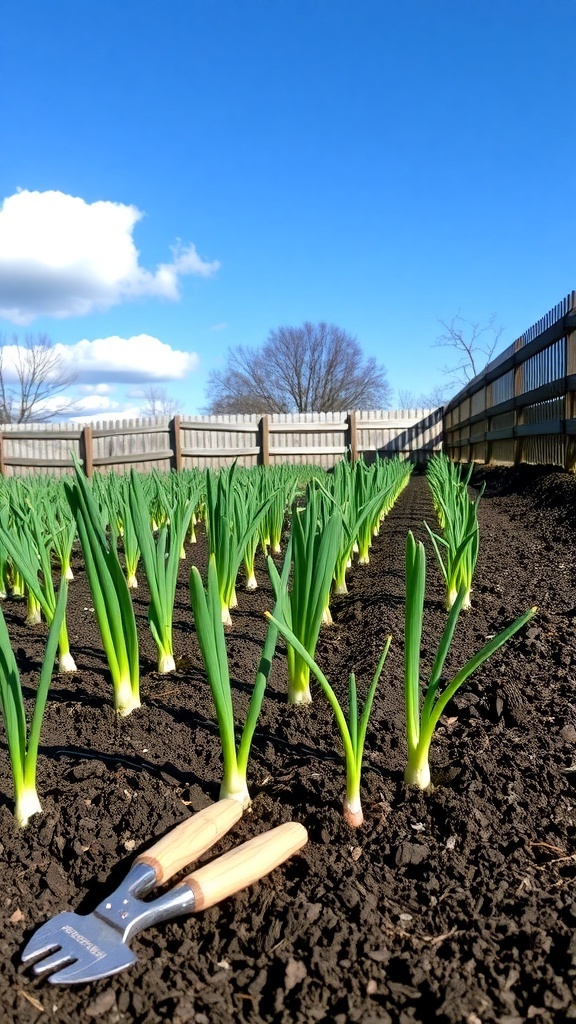
In Zone 4, the best time to plant onions is when the soil temperature reaches about 50°F (10°C). This ensures that the onions will establish well and grow vigorously throughout the growing season. Onions can be grown from seeds, sets, or transplants, with each method having its own ideal planting time.