Onions are not only a flavorful addition to various dishes but also pack a punch when it comes to health benefits. Rich in vitamins, minerals, and antioxidants, onions can contribute positively to overall health.
Incorporating onions into your diet may help with heart health, immune support, and even cancer prevention due to their anti-inflammatory properties.
Vibrant Varieties of Onions
Onions come in an array of colors, each bringing its unique flavor and nutritional profile to the table. The red, yellow, and white varieties not only enhance the visual appeal of dishes but also offer distinct tastes that can elevate any meal.
Red onions are known for their sharp, slightly sweet flavor, making them perfect for salads and salsas. Yellow onions, the most commonly used type, provide a balanced flavor that becomes sweeter when cooked. White onions, on the other hand, have a milder taste and are often used in Mexican cuisine.
Nutritional Advantages of Onions
Onions are low in calories yet high in essential nutrients. They are an excellent source of vitamin C, which supports the immune system, and vitamin B6, which plays a role in metabolism and brain health. Manganese and potassium found in onions contribute to various bodily functions, including regulating blood pressure.
These vegetables are also rich in antioxidants, which help combat oxidative stress in the body. The presence of quercetin, a powerful antioxidant, is particularly notable in onions, providing anti-inflammatory benefits that may aid in reducing the risk of chronic diseases.
Health Benefits of Onions
Incorporating onions into your diet can have a positive impact on overall health. Their anti-inflammatory properties may support heart health by reducing blood pressure and cholesterol levels. Regular consumption of onions has been linked to improved cardiovascular health.
Furthermore, onions may bolster the immune system, helping the body fend off illnesses. The antioxidants in onions can also play a role in cancer prevention, as they help neutralize harmful free radicals in the body.
Culinary Versatility
The culinary uses of onions are virtually limitless. They can be enjoyed raw, sautéed, caramelized, or roasted, adding depth and flavor to a variety of dishes. From soups and stews to salads and sandwiches, onions can enhance the taste profile of any meal.
In addition to their flavor, onions pair well with numerous herbs and spices, making them a staple in kitchens around the world. Their ability to complement other ingredients makes them a valuable addition to both simple and complex recipes.
Storage and Preparation Tips
To maintain their freshness, onions should be stored in a cool, dry place, away from direct sunlight. Proper storage can prolong their shelf life and preserve their flavor. When preparing onions, using a sharp knife can help reduce the release of sulfur compounds that cause tearing.
For those looking to enhance their cooking experience, consider slicing onions ahead of time and storing them in the refrigerator. This can save time during meal preparation and ensure that you always have fresh onions on hand.
Conclusion: A Staple Ingredient
Onions are more than just a basic ingredient; they are a powerhouse of nutrition and flavor. Their health benefits, culinary versatility, and vibrant appearance make them a must-have in any kitchen. Whether you enjoy them raw or cooked, onions can elevate your dishes while contributing to your overall well-being.
Nutritional Advantages of Onions
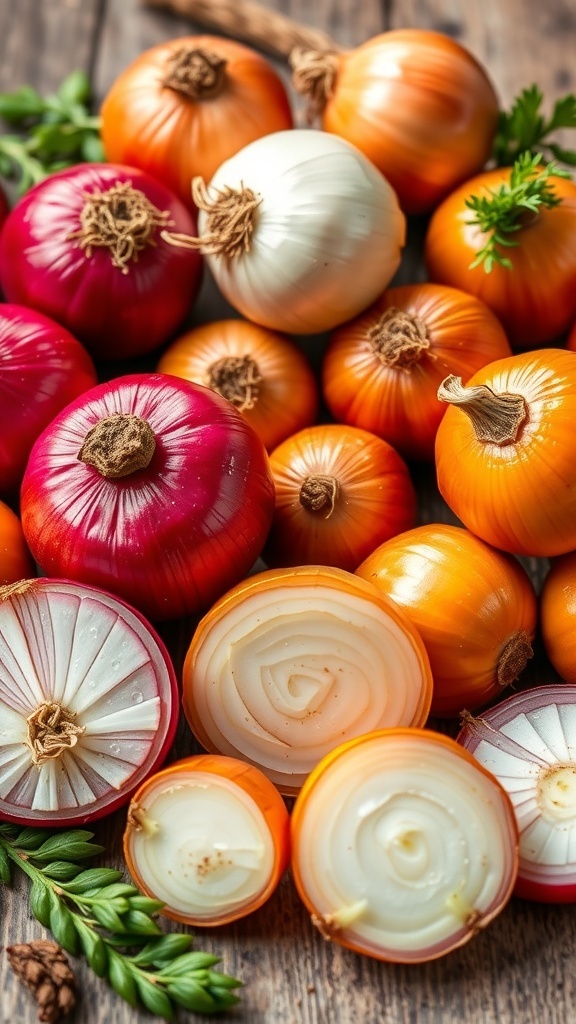
Onions are low in calories yet high in nutrients, making them a great choice for a healthy diet. They contain vitamin C, vitamin B6, manganese, and potassium, which are essential for various bodily functions.
Ingredients
Instructions
Cook and Prep Times
- Calories: 40kcal per 100g
- Carbohydrates: 9g
- Fiber: 1.7g
- Sugars: 4.2g