Floating cages are an effective method for tilapia farming, allowing for controlled environments that promote healthy fish growth. These cages are designed to float on the water’s surface, providing ample space for tilapia to thrive while ensuring easy management.
This farming technique is particularly beneficial in areas with limited land resources, as it maximizes water usage and can be implemented in various water bodies.
Understanding Floating Cages in Aquaculture
Floating cages represent a significant advancement in aquaculture, particularly for tilapia farming. These structures are designed to float on the surface of water bodies, creating a controlled environment that promotes optimal fish growth.
The design of these cages allows for easy management and monitoring, making them ideal for both small-scale and larger operations. By utilizing floating cages, farmers can effectively manage fish populations while ensuring their health and well-being.
Advantages of Floating Cages for Tilapia Farming
Floating cages provide several benefits that enhance the efficiency of tilapia farming. One key advantage is the improved management of water quality. With the ability to monitor and control the environment, farmers can maintain optimal conditions for fish health.
Additionally, these cages reduce the risk of disease, as they allow for better circulation and filtration of water. This setup also enhances feed efficiency, ensuring that tilapia receive the necessary nutrients without excessive waste.
Components of Floating Cages
The construction of floating cages involves several essential components. A sturdy cage frame, typically made from materials like PVC or metal, forms the backbone of the structure. This frame must be robust enough to support the weight of the fish while remaining buoyant.
Netting material, often nylon or polyethylene, is attached to the frame to create a secure enclosure. This prevents fish from escaping while allowing for adequate water flow. Buoyancy devices, such as foam or plastic barrels, are crucial for keeping the cage afloat and stable.
Setting Up Floating Cages
Establishing floating cages requires careful planning and execution. First, selecting a suitable location with good water quality is vital. The area should have enough space to accommodate the cages comfortably.
Once the location is determined, the cage frame can be constructed according to the desired dimensions. After securing the netting to the frame, buoyancy devices are added to ensure stability on the water’s surface. Finally, tilapia fingerlings are introduced into the cage, followed by implementing a feeding schedule and regular monitoring of water quality.
Maintenance of Floating Cages
Maintaining floating cages is an ongoing process that is crucial for the success of tilapia farming. Regular checks on water quality and fish health are essential to prevent any potential issues.
Farmers should also monitor the feeding system, ensuring that fish receive the right amount of food at appropriate intervals. This proactive approach helps maintain a healthy environment for tilapia, ultimately leading to better growth and yield.
The Role of Sustainable Aquaculture
Floating cages exemplify the principles of sustainable aquaculture. By maximizing water use and minimizing land requirements, this method supports the growing demand for fish while reducing environmental impact.
The integration of floating cages into aquaculture practices not only benefits farmers but also contributes to the preservation of aquatic ecosystems. This sustainable approach ensures that fish farming can continue to thrive without compromising the health of our natural resources.
Benefits of Floating Cages for Tilapia
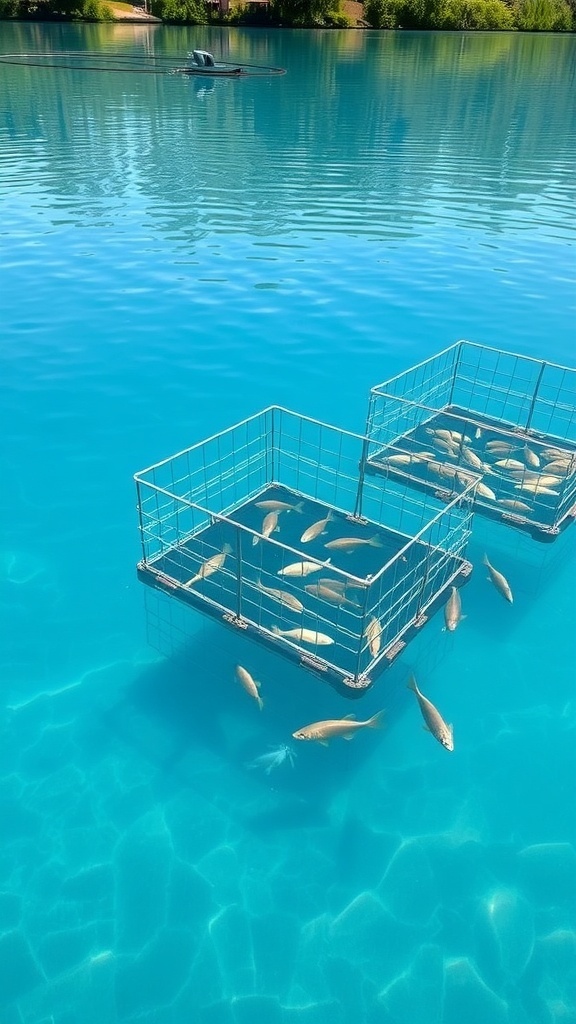
Floating cages for tilapia farming offer numerous advantages, including improved water quality management, reduced risk of disease, and enhanced feed efficiency. They can be constructed from various materials and are adaptable to different aquatic environments.