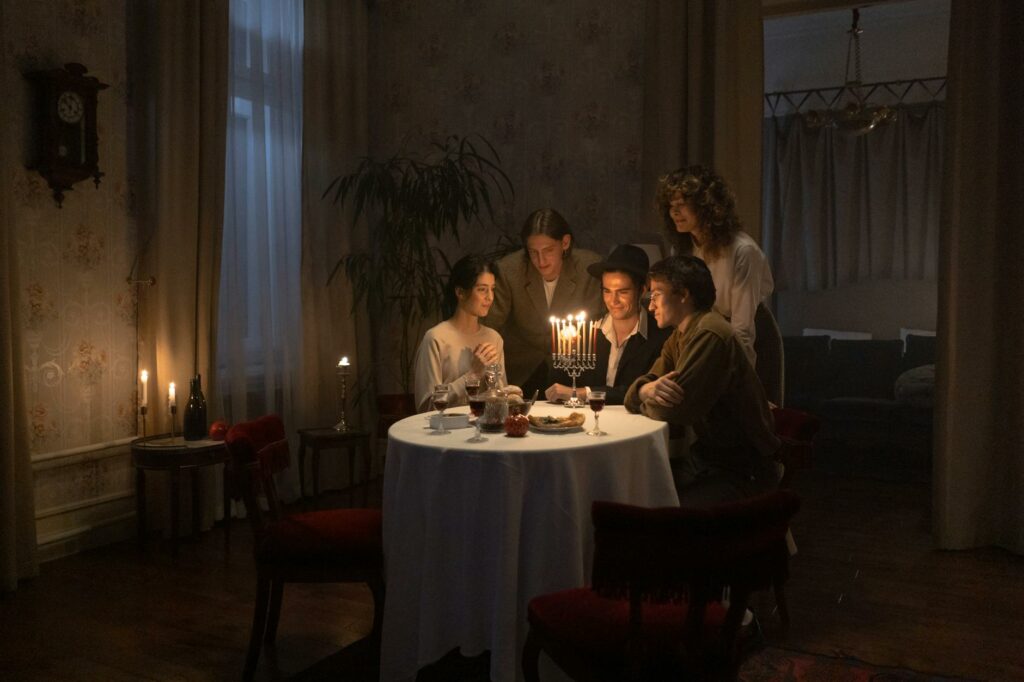
The Festival of Hanukkah
Hanukkah, also known as the Festival of Lights, holds a significant place in Jewish tradition. This section provides a brief history of Hanukkah and explores its significance in Jewish culture.
Brief History of Hanukkah
Hanukkah commemorates the rededication of the Second Temple in Jerusalem during the second century BCE. The festival originated during the time when Judea was under the rule of the Seleucid Empire, which sought to suppress Jewish religious practices.
The rebellion against the Seleucid Empire was led by a group of Jewish fighters known as the Maccabees. After their successful uprising, the Maccabees reclaimed the Temple from the oppressors and cleansed it, restoring it to its sacred purpose.
According to Jewish tradition, a miracle occurred during the rededication of the Temple. Although there was only enough oil to light the menorah (a seven-branched candelabrum) for one day, the oil miraculously burned for eight days, allowing the Maccabees to prepare more oil. This miracle is celebrated by lighting the menorah over the eight nights of Hanukkah.
Significance of Hanukkah in Jewish Tradition
Hanukkah is a time of celebration and remembrance for the Jewish community. It symbolizes the triumph of light over darkness, freedom over oppression, and faith over adversity. The festival serves as a reminder of the perseverance and dedication of the Maccabees in defending their religious freedom.
During Hanukkah, families come together to light the menorah, adding one candle each night until all eight candles are lit. The menorah is often placed in a prominent location, such as a window, to share the light with the world. Additionally, special prayers, songs, and blessings are recited during the festival.
Another important aspect of Hanukkah is the consumption of foods cooked in oil, such as latkes (potato pancakes) and sufganiyot (jelly-filled doughnuts). These culinary traditions commemorate the miracle of the oil and symbolize the abundance and joy of the holiday.
Hanukkah holds deep cultural and spiritual significance within the Jewish community, fostering a sense of unity, resilience, and gratitude. It is a time for reflection, celebration, and the passing down of traditions from one generation to the next.
Understanding the history and significance of Hanukkah provides context for exploring the possible involvement of Jesus in this festival. By examining the historical and scriptural evidence, we can gain insights into Jesus’ connection with Hanukkah and its implications for interfaith connections.
Jesus and Jewish Tradition
To understand the possible involvement of Jesus in the festival of Hanukkah, it is important to consider his Jewish heritage and his observance of Jewish festivals.
Jesus’ Jewish Heritage
Jesus was born into a Jewish family and grew up in a Jewish community. He was a descendant of the Jewish king David and his lineage can be traced back to the tribe of Judah. Being Jewish, Jesus would have been familiar with the customs, traditions, and religious practices of his people.
Jesus’ Observance of Jewish Festivals
Throughout his life, Jesus demonstrated a deep reverence for Jewish traditions and participated in various Jewish festivals. The Gospels mention Jesus attending festivals such as Passover, Sukkot (Feast of Tabernacles), and Shavuot (Feast of Weeks). These festivals held great religious and cultural significance for the Jewish people, and their observance was an integral part of Jewish life.
Considering Jesus’ close connection to his Jewish heritage and his active involvement in Jewish festivals, it is plausible to explore the question of whether he celebrated Hanukkah. Hanukkah, also known as the Festival of Lights, commemorates the rededication of the Second Temple in Jerusalem and the miracle of the oil that lasted for eight days. The festival holds deep meaning for Jewish people worldwide and serves as a symbol of hope, perseverance, and the triumph of light over darkness.
To delve further into the possible connection between Jesus and Hanukkah, we will examine the historical context of Jesus’ time and explore scriptural references and clues that shed light on this topic.
Examining the Evidence
To explore the question of whether Jesus celebrated Hanukkah, it is essential to examine the historical context of Jesus’ time and the scriptural references and clues available to us.
Historical Context of Jesus’ Time
During Jesus’ lifetime, the region of Judea was under Roman rule, which significantly influenced the religious and cultural landscape. Hanukkah, also known as the Festival of Lights, commemorates the rededication of the Second Temple in Jerusalem and the Jewish revolt against the Seleucid Empire. Understanding the historical context helps us grasp the environment in which Jesus lived and the festivals he may have encountered.
Scriptural References and Clues
While the New Testament does not explicitly mention Jesus observing Hanukkah, there are scriptural references that provide clues about his connection to Jewish traditions and festivals. Jesus, being Jewish, would have been familiar with the rituals and observances prescribed in the Hebrew Scriptures.
One potential clue can be found in the Gospel of John, where Jesus is depicted attending the “Feast of Dedication” (John 10:22). Many scholars believe that this refers to Hanukkah since the festival is centered around the rededication of the Temple. While this passage does not explicitly state Jesus’ participation, it implies his presence during this important Jewish festival.
Additionally, Jesus’ regular visits to Jerusalem, especially during significant religious observances, indicate his engagement with Jewish traditions. The Gospels mention his participation in other Jewish festivals such as Passover, which further supports the likelihood of his involvement in Hanukkah celebrations.
By examining the historical context and scriptural references, we gain a broader understanding of the possible connection between Jesus and Hanukkah. While it is challenging to draw definitive conclusions, these pieces of evidence shed light on the topic and contribute to our understanding of Jesus’ Jewish heritage and observance of festivals.
Perspectives on Jesus and Hanukkah
When exploring the possible involvement of Jesus in the Festival of Hanukkah, there are varying perspectives among scholars and theologians. Some argue for Jesus’ participation in Hanukkah, while others express skepticism or present counterarguments. Let’s examine these perspectives in more detail.
Arguments for Jesus’ Involvement in Hanukkah
Advocates for Jesus’ participation in Hanukkah point to several factors. Firstly, Hanukkah was a significant festival in Jewish tradition, celebrating the rededication of the Second Temple in Jerusalem. As a devout Jew, Jesus likely observed important Jewish festivals, including Hanukkah.
Furthermore, the Gospel of John mentions Jesus attending the “Feast of Dedication,” which is believed by many to refer to Hanukkah. This connection suggests that Jesus recognized the festival and participated in its observance.
Additionally, Jesus’ teachings often incorporated elements of Jewish tradition and scripture. Some argue that his teachings during the winter months, which align with the timing of Hanukkah, may have contained allusions to the festival’s themes of light, dedication, and spiritual freedom.
Counterarguments and Skepticism
Despite the arguments for Jesus’ involvement in Hanukkah, there are counterarguments and skepticism among scholars. One perspective is that the Gospel of John’s mention of the “Feast of Dedication” does not provide definitive evidence of Jesus’ presence at Hanukkah. Interpretations of this text vary, and some suggest that it may refer to a different event or festival.
Additionally, the Gospels do not explicitly mention Jesus celebrating Hanukkah or participating in its rituals. The absence of direct references to Jesus’ involvement in Hanukkah raises questions about the extent of his engagement with the festival.
Skeptics also argue that the focus of Jesus’ teachings and ministry was centered on broader spiritual and theological themes rather than specific Jewish festivals. They propose that while Jesus may have been aware of Hanukkah, his mission and teachings transcended particular observances.
It is important to acknowledge that the historical evidence regarding Jesus’ participation in Hanukkah is limited and subject to interpretation. As such, different perspectives exist, and the question of Jesus’ possible involvement in Hanukkah remains a topic of ongoing discussion and debate.
Understanding the various perspectives on Jesus and Hanukkah can prompt further exploration of the significance and implications of his potential participation. It opens up opportunities for interfaith connections, fostering dialogue and understanding between Jewish and Christian traditions.
As we continue to examine the historical and scriptural evidence surrounding Jesus and Hanukkah, it is essential to approach the topic with sensitivity, respect, and a commitment to scholarly inquiry.
Understanding the Significance
As we explore the possible involvement of Jesus in Hanukkah, it is important to consider the implications and reflect on the interfaith connections that this revelation brings forth.
Implications of Jesus’ Possible Hanukkah Involvement
If Jesus did indeed participate in Hanukkah celebrations, it holds significant implications for understanding his connection to Jewish traditions and his role in bridging the gap between Judaism and Christianity. It highlights the deep roots of Jesus’ Jewish heritage and his engagement with the customs and festivals observed by the Jewish community.
Jesus’ possible involvement in Hanukkah also emphasizes the religious and cultural context in which he lived. It provides insight into his understanding of Jewish identity, the significance of religious observances, and his interactions with the Jewish community. This revelation deepens our understanding of Jesus’ ministry and the ways in which he navigated the complex religious landscape of his time.
Reflections on Interfaith Connections
The potential connection between Jesus and Hanukkah prompts us to reflect on the interfaith connections between Judaism and Christianity. It serves as a reminder that Christianity emerged from within the Jewish tradition, and Jesus himself was a Jewish figure. Understanding and appreciating this shared heritage can foster greater respect, dialogue, and cooperation between individuals and communities of different faiths.
The exploration of Jesus’ possible involvement in Hanukkah also invites Christians to engage with the rich traditions and practices of Judaism. It encourages a deeper understanding of the historical and cultural context in which Jesus lived and the religious experiences that shaped his teachings. By recognizing the shared roots of these two faiths, we can build bridges of understanding and appreciation, fostering unity and harmony among believers.
As we delve into the significance of Jesus’ potential Hanukkah involvement, we are reminded of the interconnectedness of different religious traditions and the importance of embracing diversity. This exploration encourages a deeper appreciation for the historical and cultural dimensions of faith, contributing to a more inclusive and respectful society.