The New York College of Podiatric Medicine (NYCPM) is a specialized medical college located in New York City that focuses on podiatric medicine. It was founded in 1911 and offers a Doctor of Podiatric Medicine (DPM) degree program. Like all colleges and universities, NYCPM has its advantages and disadvantages, which are discussed in detail below.
Pros:
- Specialized curriculum: NYCPM’s curriculum is highly specialized in podiatric medicine, which means that students receive a comprehensive education that is focused on their chosen field of study.
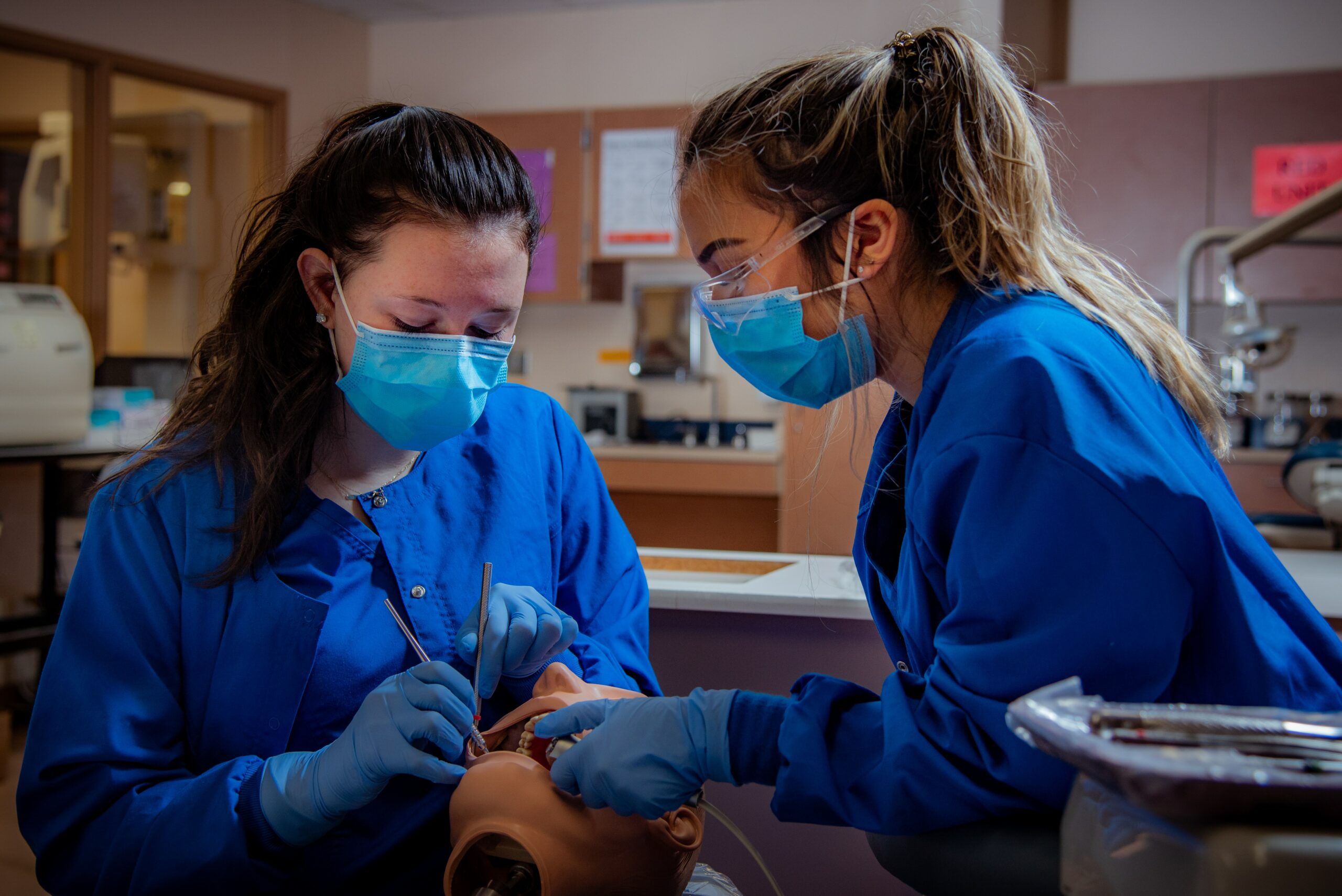
- Clinical experience: NYCPM provides students with extensive clinical experience, which includes rotations in hospitals, clinics, and private practices. This hands-on experience allows students to apply their classroom knowledge in real-world settings and prepare them for their future careers.
- Faculty expertise: NYCPM’s faculty members are experts in podiatric medicine and are committed to providing students with a quality education. Many of them are active practitioners in the field, which allows them to share their real-world experiences with students.
- Location: NYCPM is located in New York City, which is a hub of medical activity and provides students with access to a wide range of medical facilities and opportunities.
- High job placement rates: NYCPM graduates have a high job placement rate, which indicates that the college is providing students with the knowledge and skills they need to succeed in their future careers.
- Networking opportunities: NYCPM provides students with networking opportunities, which include access to alumni events, conferences, and other professional events. These opportunities can help students to build relationships and connections that can be valuable in their future careers.
Cons:
- Cost: Like many specialized medical colleges, NYCPM has a higher tuition cost compared to other undergraduate institutions. This can be a disadvantage for students who are looking for an affordable education option.
- Limited degree options: NYCPM offers only one degree program, which means that students who are interested in other fields of study will need to attend a different institution.
- Limited diversity: NYCPM has a limited diversity in its student body and faculty, which can be a disadvantage for students who are looking for a more diverse range of perspectives and experiences from their peers and professors.
- Intensive program: NYCPM’s program is intensive and demanding, which can be challenging for some students who are not prepared for the rigor of a medical program.
- Limited extracurricular activities: Due to the intensive nature of NYCPM’s program, there may be limited opportunities for extracurricular activities. This can be a disadvantage for students who are looking for a more well-rounded college experience.
- Limited research opportunities: Due to its specialized focus on podiatric medicine, NYCPM may not offer as many research opportunities as other colleges and universities. This can be a disadvantage for students who are interested in pursuing research projects in their field of study.
In conclusion, NYCPM is a specialized medical college that provides students with a comprehensive education in podiatric medicine. While it has its limitations in terms of cost, limited degree options, limited diversity, program intensity, limited extracurricular activities, and limited research opportunities, it offers extensive clinical experience, faculty expertise, networking opportunities, and a high job placement rate. For students who are interested in a career in podiatric medicine, NYCPM is a strong option that provides a quality education and a path to a successful career in the field.