Great Lakes Christian College (GLCC) is a private, four-year, coeducational institution located in Lansing, Michigan. The college was founded in 1949 and is affiliated with the Christian churches and churches of Christ. GLCC offers a variety of undergraduate programs in biblical studies, ministry, education, counseling, and social work.
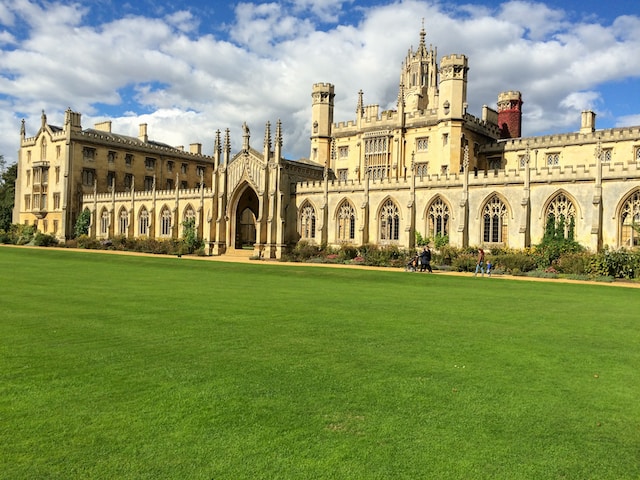
As with any college, there are pros and cons to attending Great Lakes Christian College. In this essay, we will explore the advantages and disadvantages of attending GLCC in detail.
Pros:
- Strong Christian Foundation: One of the biggest advantages of attending Great Lakes Christian College is its strong Christian foundation. GLCC was founded on Christian principles and seeks to develop Christian leaders who are committed to serving others. This emphasis on faith and service is evident in the college’s curriculum, programs, and campus culture.
- Personal Attention: GLCC is a small college, with a student-to-faculty ratio of 10:1. This means that students receive a lot of individual attention from their professors. Professors are able to get to know their students on a personal level, and can provide personalized instruction and support. This is especially beneficial for students who may need extra help or guidance.
- Affordable Tuition: GLCC’s tuition is relatively affordable compared to other private colleges. The college also offers a variety of scholarships and financial aid options to help students pay for their education. This makes attending GLCC a viable option for students who may not be able to afford more expensive colleges.
- Service Opportunities: GLCC emphasizes service and community involvement. The college provides students with a variety of service opportunities, both on and off campus. These opportunities allow students to make a difference in the lives of others, while also gaining valuable experience and skills.
- Strong Alumni Network: GLCC has a strong alumni network, with graduates serving in a variety of ministry and leadership positions around the world. This network can be a valuable resource for current students, as it provides them with connections and opportunities for mentorship and career development.
Cons:
- Limited Program Offerings: While GLCC offers a variety of undergraduate programs, the college’s program offerings are somewhat limited compared to larger universities. This may be a disadvantage for students who are interested in pursuing a specific field of study that is not offered at GLCC.
- Small Campus: GLCC’s campus is relatively small, with limited facilities and resources. This may be a disadvantage for students who are looking for a more diverse and expansive college experience.
- Limited Diversity: GLCC’s student body and faculty are predominantly white and Christian. This may be a disadvantage for students who are looking for a more diverse and inclusive college environment.
- Limited Extracurricular Opportunities: GLCC’s extracurricular offerings are somewhat limited compared to larger universities. This may be a disadvantage for students who are interested in pursuing specific hobbies or interests outside of their academic studies.
- Limited Career Opportunities: While GLCC prepares students for careers in ministry, counseling, and social work, the college’s program offerings may not be as beneficial for students who are interested in pursuing other career paths. This may be a disadvantage for students who are unsure about their career goals or who want to explore a variety of options.
In conclusion, Great Lakes Christian College has both advantages and disadvantages for students. The college’s strong Christian foundation, personal attention, affordable tuition, service opportunities, and strong alumni network are all significant advantages. However, GLCC’s limited program offerings, small campus, limited diversity, limited extracurricular opportunities, and limited career opportunities may be disadvantages for some students. Ultimately, it is up to each individual student to weigh these factors and decide if GLCC is the right college for them.