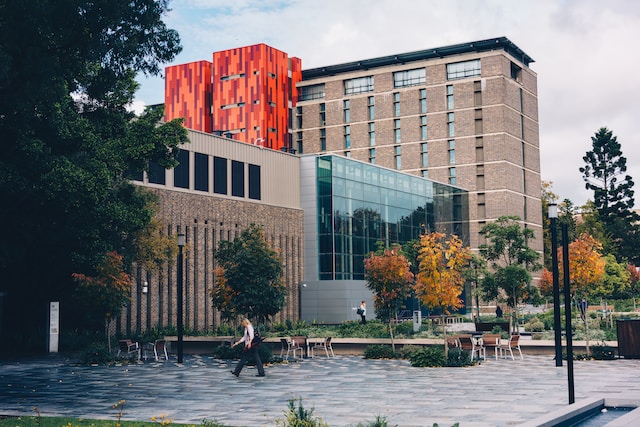
The University of Maine at Farmington (UMF) is a small, public liberal arts university located in Farmington, Maine. Founded in 1864, it offers undergraduate degrees in a variety of fields, including education, the arts, and sciences. In this article, we will examine the pros and cons of attending the University of Maine at Farmington.
Pros:
- Affordable: The University of Maine at Farmington is an affordable option for students looking for a quality education. The university offers competitive tuition rates and generous financial aid packages to help make education more accessible for students.
- Small Class Sizes: UMF’s small class sizes allow for more individualized attention and engagement between students and professors. Professors have the opportunity to get to know their students on a personal level and offer tailored support and guidance. This can be especially helpful for students who may struggle in larger classroom settings or who need extra help with coursework.
- Accessible Faculty: UMF’s faculty is composed of experienced, knowledgeable individuals who are passionate about their fields of study. Students have the opportunity to interact with their professors outside of the classroom and benefit from their expertise and guidance.
- Liberal Arts Education: UMF’s focus on a liberal arts education can be an advantage for students who are looking for a well-rounded education that emphasizes critical thinking, communication, and problem-solving skills. This can be especially helpful for students who are unsure about their future career paths or who are looking for a broader range of academic options.
- Location: UMF’s location in Farmington, Maine offers a variety of outdoor recreational opportunities, including hiking, skiing, and canoeing. The university is also located close to other Maine attractions, such as Acadia National Park and Portland, making it a good option for students who are looking for a balance between academics and recreation.
Cons:
- Limited Program Offerings: While UMF offers a variety of programs, some students may find the university’s offerings limited. The university’s focus on a liberal arts education means that some fields of study may not be available or may be offered in a more limited capacity than at larger universities.
- Limited Diversity: UMF’s student body is predominantly white and may not be the best fit for students who are looking for a more diverse campus environment.
- Limited Career Opportunities: UMF’s liberal arts education can be an advantage for students who are looking to pursue careers that require strong communication and critical thinking skills. However, it may not provide the same level of career opportunities as other degree programs.
- Small Campus: UMF’s small size can be a disadvantage for some students who are looking for a more vibrant campus life. The university has limited extracurricular activities and may not offer the same level of campus amenities as larger universities.
- Location: While UMF’s location can be an advantage for students who are looking for outdoor recreational opportunities, it may not be ideal for students who are looking for a more urban or suburban environment.
Conclusion:
The University of Maine at Farmington offers an affordable education, small class sizes, accessible faculty, a liberal arts education, and a location that offers outdoor recreational opportunities. However, the university’s limited program offerings, limited diversity, limited career opportunities, small campus, and location may not be the best fit for all students. Ultimately, whether or not UMF is the right choice for a student will depend on their individual needs and priorities. Students who are looking for a well-rounded education and outdoor recreational opportunities may find UMF to be a good fit, while students who are looking for a more diverse campus environment or a broader range of academic and career options may want to consider other universities.