Introduction
Tuskegee University is an iconic institution of higher learning that has been a beacon of excellence for over 130 years. From its humble beginnings as a school for African Americans to its current status as a top-tier university, Tuskegee has a rich history that is filled with fun facts. In this blog post, we’ll explore some of the most interesting and surprising facts about Tuskegee University, from its founding to its current accomplishments. We’ll learn about the university’s unique curriculum, its famous alumni, and the many ways it has made a lasting impact on the world. So, let’s dive in and discover some of the most fascinating facts about Tuskegee University.
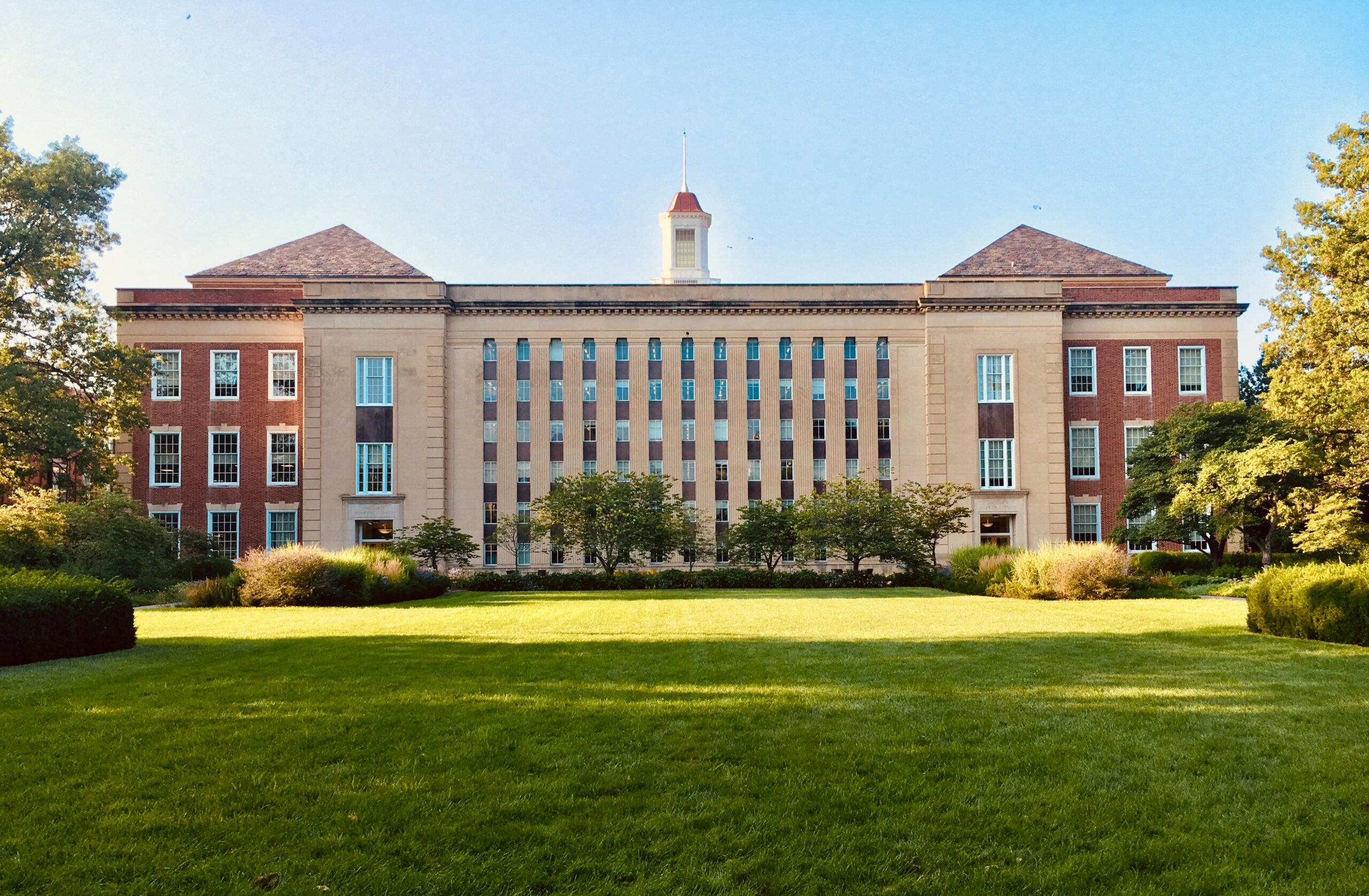
Founding of Tuskegee University
Tuskegee University was founded in 1881 by Booker T. Washington, a former slave and a leading advocate for African American education. Washington had a vision for a school that would provide educational opportunities for African Americans in the post-Civil War South. He raised funds for the school from both African American and white donors, and the university was officially established in 1881.
Tuskegee’s curriculum was unique for the time. It focused on practical skills such as agriculture, mechanics, and carpentry, as well as traditional academic subjects like math and English. Washington believed that these skills would be essential for African Americans to gain economic independence and to become productive members of society.
Notable Alumni
Tuskegee University has produced a number of notable alumni, including civil rights activists, politicians, and entertainers. Among them are civil rights leader Rosa Parks, who enrolled in the university in 1943, and Congressman John Lewis, who graduated from Tuskegee in 1957. Other notable alumni include actor and comedian Bill Cosby, singer Lionel Richie, and former NFL quarterback Doug Williams.
Research & Innovations
Tuskegee University has been a leader in research and innovation since its founding. In the 1930s, the university was at the forefront of agricultural research, developing new methods for growing crops and improving soil fertility. In the 1940s, the university’s research into the effects of radiation on plants led to the development of the atomic bomb.
In the 1950s and 1960s, Tuskegee was the site of a number of groundbreaking medical studies, including the Tuskegee Syphilis Study. The study, which lasted for 40 years, sought to determine the effects of untreated syphilis on African American men. The study was eventually discontinued due to ethical concerns, but it led to important advances in the treatment of syphilis.
Architectural Landmarks
Tuskegee University is home to a number of architectural landmarks, including the iconic Tuskegee Institute National Historic Site. The site includes a number of buildings, such as the Booker T. Washington Monument, the George Washington Carver Museum, and the Tuskegee Airmen National Historic Site. The university also has a number of historic buildings, such as the Chapel of the Centennial, the Carnegie Library, and the Carver Hall Administration Building.
Athletics
Tuskegee University is home to a number of NCAA Division II athletic teams. The school’s football team, the Tuskegee Golden Tigers, has won five national championships since its founding in 1921. The university also fields teams in basketball, baseball, softball, tennis, and track and field.
Conclusion
Tuskegee University has a long and storied history, and there are many fun facts to learn about this iconic institution. From its founding to its current accomplishments, Tuskegee has made a lasting impact on the world. We hope this blog post has given you a better understanding of this remarkable university and its many accomplishments.”