Introduction
The University of Tennessee Health Science Center (UTHSC) is a leading academic and research institution located in Memphis, Tennessee. It is renowned for its exceptional healthcare education and groundbreaking research that has helped shape the future of healthcare. UTHSC has a rich history, dating back to 1911, and it continues to be a significant contributor to the medical community. In this blog post, we will take a look at some fun facts about the University of Tennessee Health Science Center.
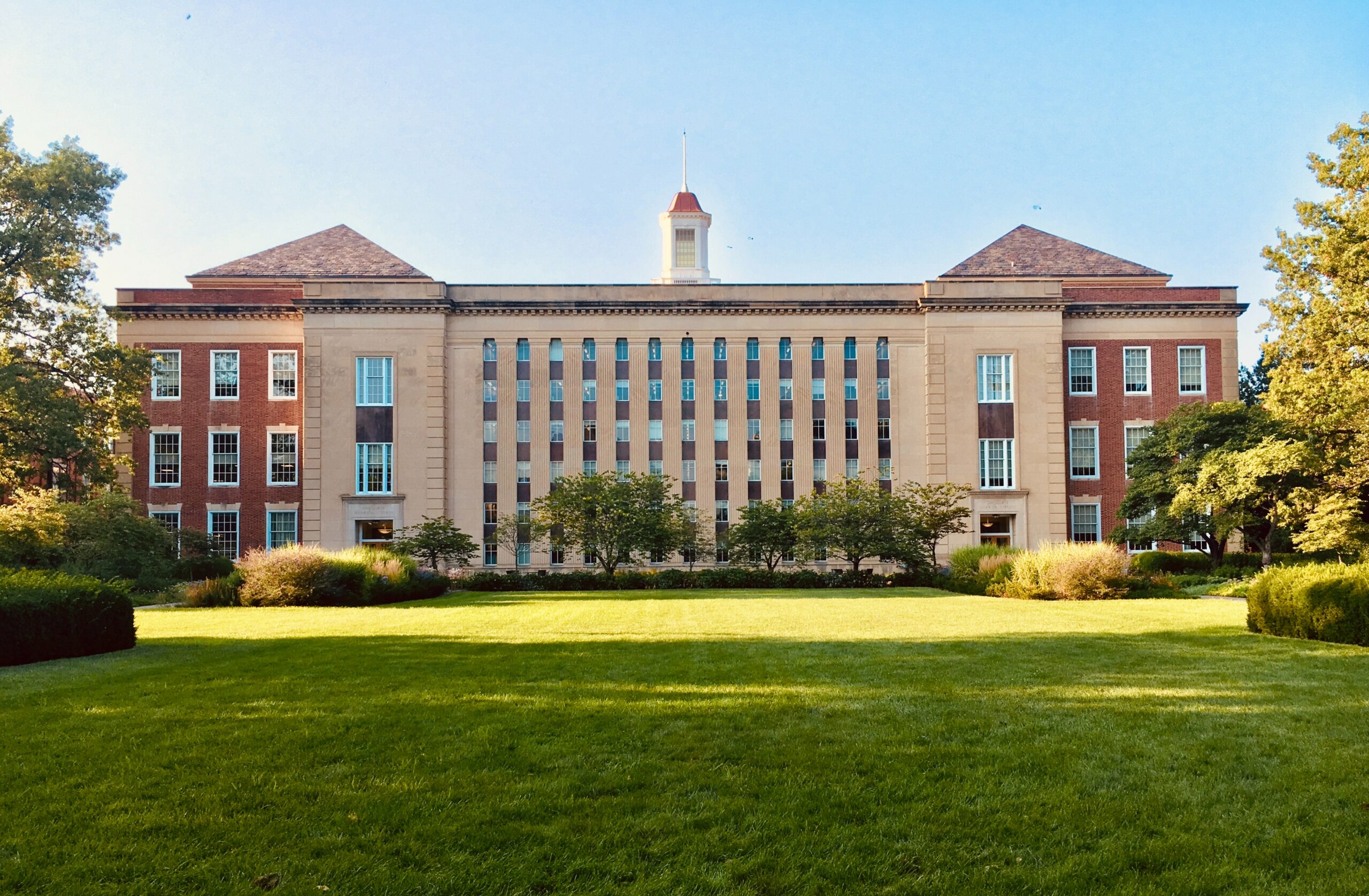
Fun facts about The University of Tennessee Health Science Center
UTHSC’s Interesting History
UTHSC has a rich history that began in 1911, with the founding of the Memphis Hospital Medical College. Over the years, the institution has grown and evolved, and today it is a leading academic and research center. One interesting fact about UTHSC is that it was the first medical school in the state of Tennessee to be racially integrated. In 1960, UTHSC accepted its first African American student, Dr. Levi Watkins Jr., who went on to become a renowned cardiac surgeon. Another interesting fact is that UTHSC was one of the first medical schools in the country to offer an MD/PhD program, which combines medical training with research. Today, UTHSC continues to be a pioneer in medical education and research.
UTHSC’s Innovative Research
UTHSC is known for its groundbreaking research in various fields, including medicine, dentistry, nursing, and pharmacy. One fascinating fact is that UTHSC researchers were the first to discover a link between obesity and insulin resistance. This discovery has since led to a better understanding of the underlying causes of type 2 diabetes and has opened up new avenues for treatment. UTHSC is also home to the Center for Addiction Science, which conducts research into addiction and substance abuse. One recent study found that a non-opioid drug called loperamide, commonly used to treat diarrhea, could be effective in treating opioid addiction. This discovery could be a game-changer in the fight against the opioid epidemic.
UTHSC’s Impressive Faculty and Alumni
UTHSC boasts an impressive roster of faculty and alumni who have made significant contributions to the medical community. One notable alumni is Dr. Harold E. Varmus, who received a Nobel Prize in Physiology or Medicine in 1989 for his work on the genetic basis of cancer. Another alumni is Dr. Scott Gottlieb, who served as the commissioner of the US Food and Drug Administration (FDA) from 2017 to 2019. UTHSC faculty members have also made significant contributions to the medical field. Dr. Lee Limbird, for example, is a renowned pharmacologist who has received numerous awards for her research into drug development. Dr. Robert W. Williams, another UTHSC faculty member, is a pioneer in the field of genomics, and his work has helped shed light on the genetic basis of disease.
UTHSC’s State-of-the-Art Facilities
UTHSC is home to state-of-the-art facilities that provide students with an exceptional learning environment. One impressive facility is the Center for Healthcare Improvement and Patient Simulation (CHIPS), which provides students with hands-on training in a simulated healthcare setting. The facility is equipped with high-tech mannequins that can simulate a wide range of medical conditions and scenarios, allowing students to develop their skills in a safe and controlled environment. UTHSC also has a cutting-edge Biomedical Engineering and Imaging Institute, which conducts research into medical imaging, bioengineering, and computational biology.
UTHSC’s Commitment to Community Outreach
UTHSC is committed to serving the Memphis community through various outreach programs. One such program is the Memphis Partners for Health, which is a partnership between UTHSC and community organizations that aims to address health disparities and promote wellness in underserved communities. The program provides free health screenings, education, and resources to community members, and it has helped improve health outcomes in the Memphis area. UTHSC also operates a student-run clinic called the Student Outreach and Urban Renewal (SOAR) clinic, which provides free healthcare services to uninsured and underserved populations in Memphis. The clinic is staffed by UTHSC students and supervised by licensed healthcare professionals, and it provides valuable hands-on experience for students while also serving the community.
UTHSC’s Contributions to COVID-19 Research and Treatment
In the wake of the COVID-19 pandemic, UTHSC has played a crucial role in the fight against the virus. UTHSC researchers have conducted groundbreaking research into COVID-19, including a study that found that the virus could be transmitted through the air. UTHSC has also been involved in clinical trials for COVID-19 treatments, including the drug remdesivir. Additionally, UTHSC has been a leader in COVID-19 testing efforts in the Memphis area, partnering with community organizations to provide free testing to those who need it.
Conclusion
In conclusion, the University of Tennessee Health Science Center is a remarkable institution with a rich history, innovative research, impressive faculty and alumni, state-of-the-art facilities, and a commitment to community outreach. UTHSC’s contributions to the medical community are significant, and its impact on healthcare education and research cannot be overstated. As UTHSC continues to evolve and grow, it will undoubtedly remain a key player in shaping the future of healthcare.