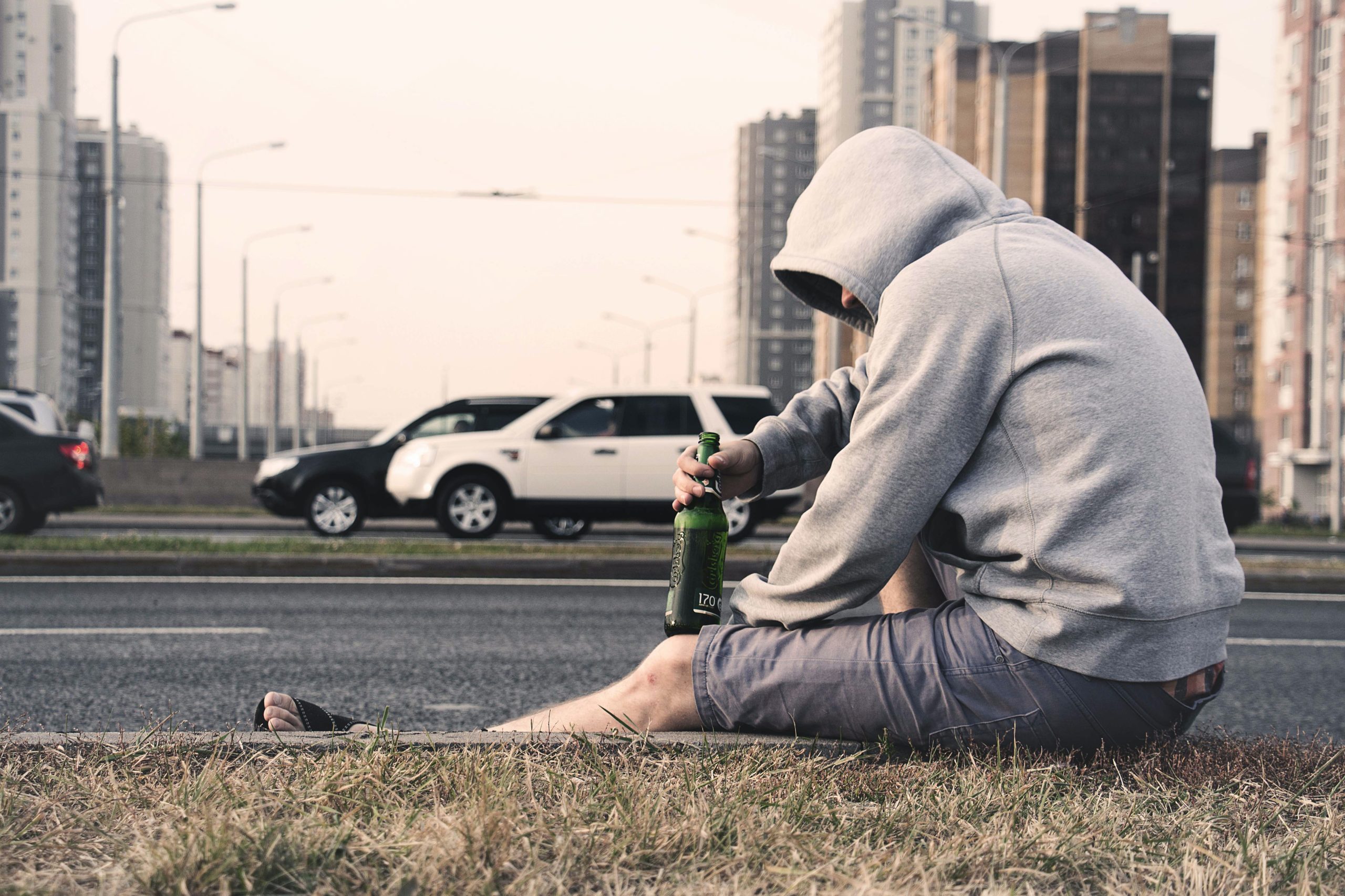
The moment you decide you want to join Uni, you should be prepared to face the pressure that comes with meeting up and mixing up with new people from different backgrounds. Alcohol consumption is one of the pressures you have to be prepared for. Let’s see How Often Do Uni Students Get Drunk?
Answer Paragraph
A survey conducted by Notes for Students in 2019 discovered that 80% of Uni students in the United States consume alcohol. Of every five students, four have consumed alcohol. This includes both male and female students. Of the 80%, it is estimated that 50% consume too much alcohol daily while others consume a lot of alcohol in a little space of time. From this survey, one class revealed that Spirits are the most preferred and most consumed beverages among Uni students, followed by beer and Wine. It is noted that these students also engage in binge drinking. Male students, however, tend to consume more alcohol than female students.
Reasons why Uni Students get drunk daily:
*Wide Availability of Alcohol on Campus
*Freedom that comes with not being monitored by parents or guardians
*Depression
*Anxiety
*Peer pressure
*Academic related pressure
How often do Uni students get drunk
While drinking is common among students, moderate drinking is encouraged. Too much of anything is poison. The same applies to alcohol. It is life-threatening and can result in road accidents, alcohol poisoning, lack of concentration on studies, can contribute to low grades, and health risks such as Alcoholism, several types of cancer, liver, and other chronic diseases. A survey revealed that students who are always drinking are at risk of engaging in binge drinking.
On average, 80% of students enrolled in Uni are getting drunk at least three times a week. 4 out of 5 students are getting drunk daily. Male students tend to drink more than female students. On average, male students consume at least five drinks in about 2 hours. Female students, on the other hand, drink at least 3-4 drinks in 2 hours. It is noted that these students are engaging in binge drinking. Adults aged 65 and above top the rankings of those who have engaged in binge drinking. Women also have been recorded to have engaged in binge drinking.
Understanding Binge Drinking
What is Binge drinking? – Binge drinking is an act of drinking an excessive amount of alcohol in a short period. It is drinking alcohol that brings blood alcohol concentration to 0.08% or 0.08 grams of alcohol per decilitre. Binge drinking for a typical adult means consuming more than four drinks for females and more than five drinks if you’re a male in 2 hours. Research by the National Survey of Drug Use and Health states that 24% of people in the United States aged 12 and older reported having engaged in binge drinking.
According to the National Institute on Alcohol Abuse and Alcoholism, 696 000 college students each year are physically assaulted by a student who has been binge drinking. Ninety-seven thousand students a year report being sexually assaulted while drinking or by someone who has been drinking. Binge drinking is a cause for concern among all age groups. The National Institute of Alcohol abuse and Alcoholism states that 33.0% of young adults aged 18-22 who are enrolled full time in university and 27.7% who are not enrolled full time have engaged in binge drinking.
Dangers of Binge Drinking
While the consumption of any amount of alcohol is a cause for a health concern, binge drinking increases the risk of any harm associated with alcohol consumption. People who engage in binge drinking are most likely to overdose and experience blackouts. Another point to note is that binge drinking increases the likelihood of unsafe sexual behavior, which in turn increases the chances of conducting sexually transmitted diseases and unwanted pregnancies. Other dangers associated with binge drinking are; falling, car accidents, drowning, negligence, and poor performance. It is suggested that one session of binge drinking can disturb the function of the immune system, which can lead to inflammation of the pancreas in people who have underlying pancreatic diseases, stroke, high blood pressure, digestive problems, liver, heart, and other chronic diseases. It is said that about 88 000 people die from causes associated with alcohol.
What Can be Done for Students to Reduce Alcohol Consumption?
Telling someone to quit drinking can be a tough mission. The best is to encourage them to drink moderately until they are ready to quit alcohol. Measures such as awareness campaigns on Alcoholism and drug use can be done. The university board can also introduce programs to educate students on Alcoholism, new activities such as social clubs, games to keep students occupied and entertained as well as alcohol-free alternatives. Universities are encouraged not to promote alcohol advertising and selling on campuses.
Conclusion
In conclusion, Uni students prefer spirits to beer and Wine and have a fairly high consumption of alcohol. Things like introducing social and alcohol-free clubs, awareness campaigns, and reduction of alcohol adverts on campus, among other measures, can help reduce the consumption of alcohol among students.
Frequently asked questions
- What is the Age Group More Likely to Drink?
A survey conducted by the National Institute on Alcohol Abuse and Alcoholism revealed that 55% of college students reported drinking alcohol. While all age groups from the age of 12 have consumed alcohol, students aged 18 to 22 have the highest rate of alcohol consumption. Male students top the list. 90% of the alcohol they consume is consumed via binge drinking.
- Is Binge Drinking a Matter of Concern Among Uni Students?
Yes, it is, not only for students but for society as a whole. According to the National Survey on drug use and Health, 60% of students enrolled both full-time on-campus and off-campus have engaged in binge drinking.
- What’s Causing Students to Get Drunk?
Peer Pressure, accessibility, availability of alcohol, depression, anxiety, freedom, school-related pressure, and lack of activities are among the reasons why Uni students are getting drunk.