Introduction
Esports, or competitive video gaming, have exploded in popularity in recent years, drawing in millions of viewers and offering players the chance to compete at the highest levels. With the rise of esports has come a new opportunity for colleges and universities to expand their sports offerings and engage with growing student interest. But do colleges have esports teams? In this article, we will explore the emergence of esports teams in colleges, the benefits they offer for students and campuses, the challenges they face, and the future of this exciting new field.
Do Colleges Have Esports Teams?
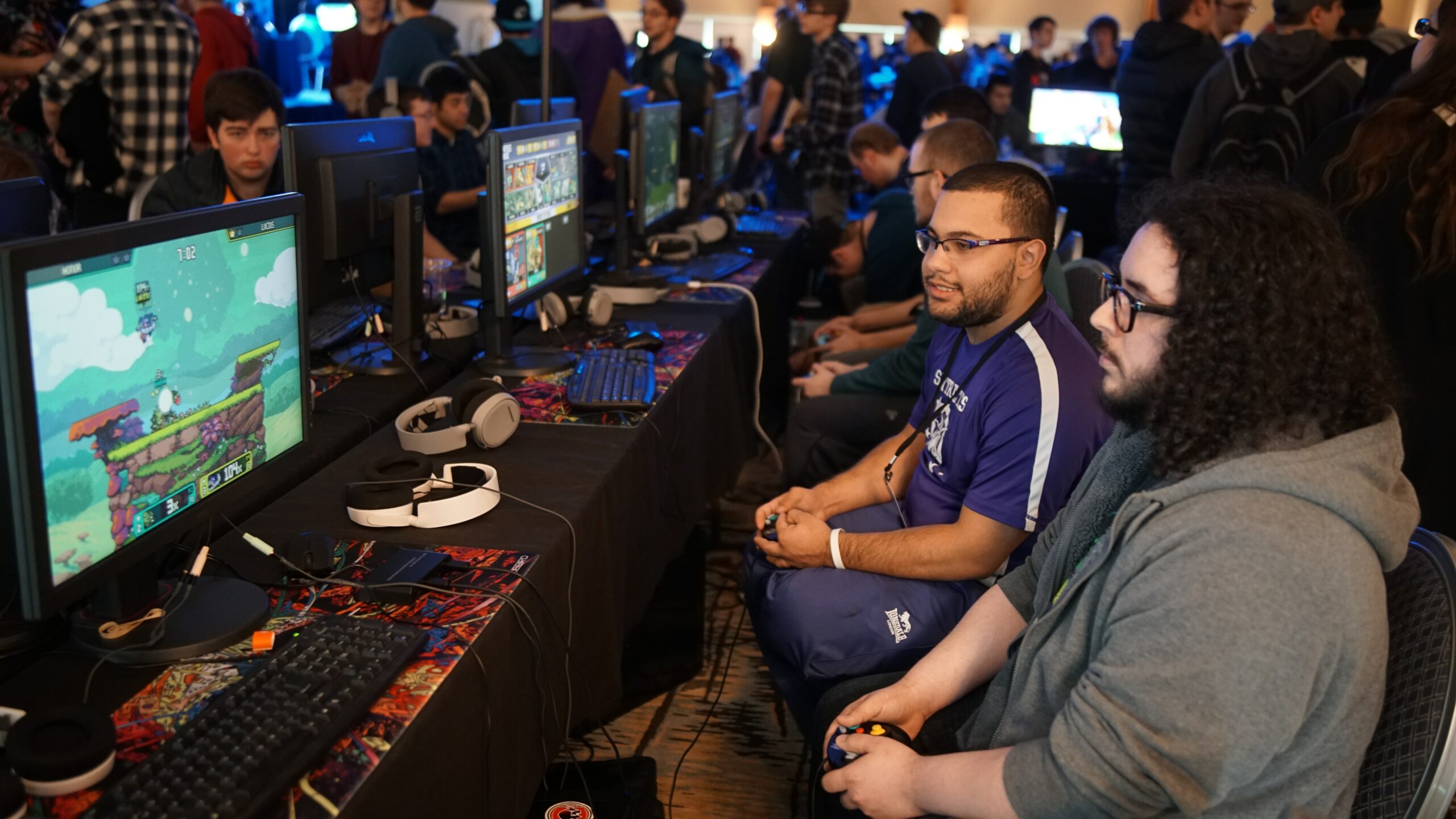
Yes, many colleges and universities across the world now have esports teams, and the number of schools offering esports programs is growing rapidly. These teams provide students with the opportunity to compete in video game tournaments and matches against other schools while also developing important skills such as teamwork, communication, strategic thinking, and leadership
The Emergence of Esports Teams in Colleges
The rise in popularity of competitive gaming in recent years can be attributed to the establishment of esports teams in colleges. Universities and colleges recognized an opportunity to interact with this expanding cohort of students as interest in esports grew. Early in the decade of the 2010s, the first college esports teams appeared. Since then, numerous colleges and universities in both the United States and other countries have started their esports programs.
The increased acceptance of esports as a legitimate form of competition and entertainment is one aspect that has fueled the expansion of collegiate esports teams. Major companies like ESPN and Coca-Cola have started to invest in the esports business as a result of the massive crowds and millions of dollars in prize money that these competitions have garnered. Colleges are more inclined to invest in esports programs and include them in their sports offerings as esports become more widely accepted.
Benefits of College Esports Teams
- Possibilities for students to expand their knowledge and expertise include: A variety of abilities, such as strategic thinking, communication, teamwork, and adaptability, are needed for competitive gaming. Students who join a college esports team may have the chance to develop these skills and get experience in a quickly expanding sector.
- Possibility for scholarships and job opportunities: As esports’ popularity rises, more institutions are beginning to offer esports scholarships to draw top talent. Students that are passionate about competitive gaming may be able to pursue it financially with the help of these scholarships, which may also lead to career prospects in the sector.
- Positive impact on campus culture and community: Esports can give students who share a passion for gaming a sense of camaraderie and belonging, which has a positive impact on campus culture and community. Students can meet people who match their interests and form new friendships by joining a collegiate esports team.
Challenges Facing by College Esports Teams
- Lack of recognition and support from some college administrations: Despite esports’ increasing popularity, some college administrators could be reluctant to acknowledge it as a real sport or to sponsor esports initiatives. Because of this, it could be challenging for collegiate esports teams to get support, financing, and resources from their organization.
- Difficulty in establishing fair and effective competition structures: Establishing fair and efficient competition structures can be challenging. Esports tournaments can be complicated and challenging to plan, especially when it comes to assuring accuracy and fairness. Some colleges could find it difficult to create competitive arrangements that are equitable, efficient, and fun for all participants. Both players and fans may become frustrated and unsatisfied as a result of this.
- Recruitment and retention issues: College esports teams may experience difficulties finding and keeping talented players, just like any other sports team. Esports players may value individual performance over team performance more frequently because the games can be played remotely. This can cause disagreements and affect team relations.
- Possibility for burnout and detrimental health impacts: Competitive gaming can be physically and intellectually taxing, and some players may feel the effects of their activity in the form of burnout or adverse health effects. To help students manage the demands of competitive gaming and maintain their physical and mental well-being, colleges may need to offer tools and support.
Conclusions
In conclusion, college esports teams are growing in recognition from universities and colleges all over the world. These teams give students the chance to hone abilities like teamwork, strategic thinking, communication, and leadership while also offering a collegiate-level platform for competitive gaming.
Also, the expansion of college esports teams reflects the growing validity and acceptance of esports as a genuine form of competition. College esports teams offer a route for students to pursue careers in the esports industry, whether as professional players, coaches, or analysts since esports has grown to be a multimillion-dollar industry.
FAQ
- What exactly is a college esports team?
A college esports team is a group of students who come together to compete in video game tournaments or matches against other schools. They are typically organized and supported by the school’s esports program, which may provide resources such as practice facilities, coaches, and equipment.
- Do all colleges have esports teams?
No, not all colleges have esports teams. However, the number of schools offering esports programs is growing rapidly, and many universities and colleges across the world are beginning to recognize the value and potential of esports as a competitive and legitimate form of athletics.
- What games do college esports teams play?
The games played by college esports teams vary depending on the school and program. Some popular games include League of Legends, Overwatch, Fortnite, Valorant, and many others.