Introduction
The transition from high school to college can be both exciting and daunting. One of the biggest changes that students face when starting college is the transition from living at home to living in a dormitory. At the University of Michigan-Dearborn, dorm life is an integral part of the college experience. With a variety of housing options available, students can choose from several on-campus living arrangements to fit their individual needs. In this blog post, we will explore the different dorm options available at the University of Michigan-Dearborn and what students can expect from each one.
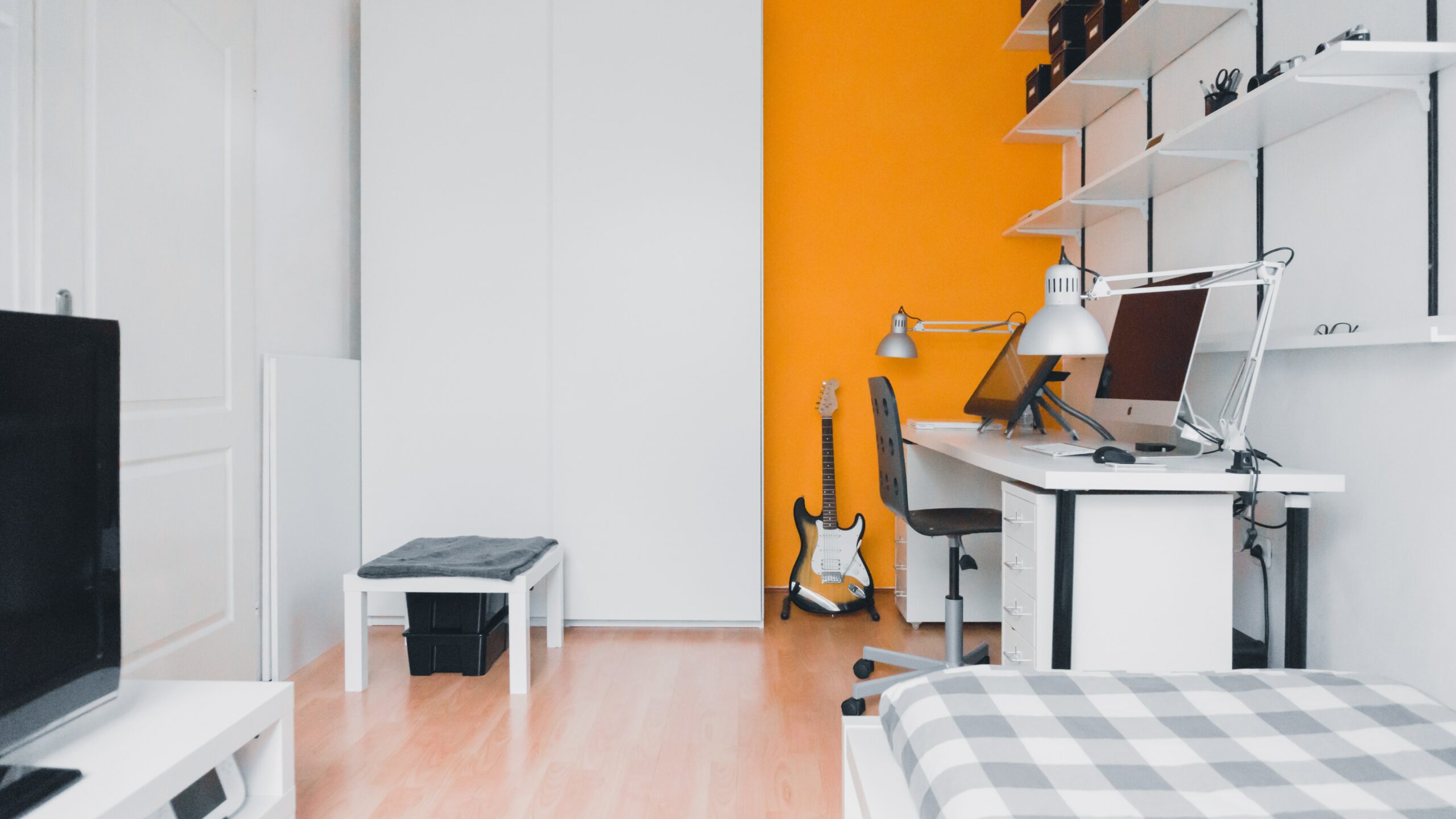
Traditional Dormitories
The traditional dormitories at the University of Michigan-Dearborn offer students a classic college experience. These dorms feature communal living areas, shared bathrooms, and a central cafeteria for meals. The dorms are typically co-ed, but some floors may be single-gender. Living in a traditional dorm is a great way to meet new people and build lasting friendships.
While traditional dorms are often associated with a lack of privacy, the University of Michigan-Dearborn takes steps to ensure that students feel comfortable and safe in their living spaces. Each room in the traditional dorms is equipped with a lockable door, and security personnel are on duty 24/7 to monitor the dorms and respond to any emergencies that may arise. Additionally, the University provides a range of programming and support services to help students adjust to dorm life and make the most of their college experience.
One potential downside of living in a traditional dorm is the lack of personal space. With communal living areas and shared bathrooms, students may need to adjust to living in close quarters with others. However, many students find that the benefits of dorm life – including easy access to campus resources, social opportunities, and a built-in support network – outweigh any potential drawbacks.
Suite-Style Dormitories
For students who value a bit more privacy and personal space, suite-style dormitories may be a better fit. These dorms feature multiple bedrooms that share a common living area, as well as a private bathroom. Suite-style dorms are typically single-gender, and residents may have the option to request a specific roommate or suite-mate.
One of the benefits of suite-style dorms is the increased sense of privacy and independence. With separate bedrooms and a private bathroom, students have more control over their living space and can personalize it to their liking. Additionally, suite-style dorms often have a quieter and more relaxed atmosphere, which can be beneficial for students who prefer a more low-key living situation.
However, suite-style dorms can also be more expensive than traditional dorms, and may not offer the same level of social opportunities and support as communal living situations. Additionally, the increased level of privacy may mean that students have less interaction with their peers, which can be a downside for those who value a strong sense of community.
Apartment-Style Living
For students who are looking for a more independent living situation, the University of Michigan-Dearborn also offers apartment-style living. These apartments are typically reserved for upperclassmen, graduate students, and married students. They offer a higher level of independence and autonomy, as well as more space and privacy.
Apartment-style living can be a great option for students who are looking to live off-campus, but still want to remain connected to the University community. The apartments are conveniently located on or near campus, and residents have access to all of the same resources and amenities as on-campus residents. Additionally, apartment-style living can be more cost-effective than traditional dorms or suite-style dorms, as students may be able to split rent with roommates.
However, apartment-style living also comes with increased responsibility and potential challenges. Students who live in apartments must manage their own finances, household chores, and other aspects of independent living. Additionally, apartment-style living may offer fewer opportunities for socializing and community-building, as residents may have less interaction with their peers than in a traditional dorm setting.
Conclusion
Overall, the University of Michigan-Dearborn offers a range of housing options to meet the diverse needs and preferences of its student body. Whether students are looking for a classic college experience with communal living spaces, a more private and independent suite-style dorm, or the autonomy of apartment-style living, there is an option to suit their needs. While each living situation has its own benefits and potential drawbacks, all students can expect to find a supportive and welcoming community at the University of Michigan-Dearborn.