Introduction
When it comes to selecting a university, one of the most important considerations is housing. After all, you will be spending a significant amount of time in your dormitory, and it should be comfortable, safe, and conducive to studying. At Kettering University, a private research university located in Flint, Michigan, there are several options available for students seeking on-campus housing. Let’s explore the dormitories at Kettering University and what they have to offer.
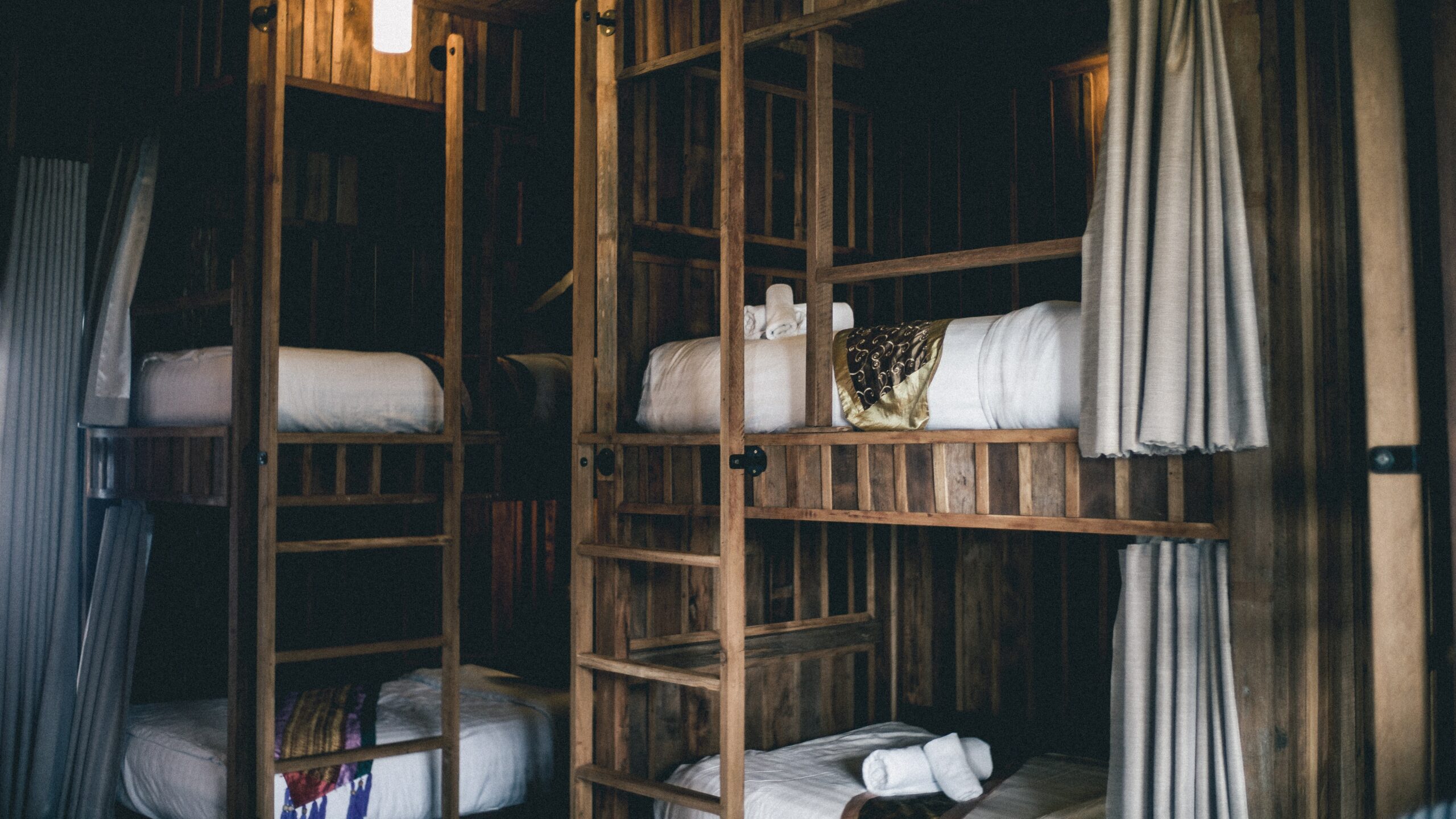
Dorms At Kettering University
Traditional Residence Halls
The traditional residence halls at Kettering University are divided into two complexes: the Mott Complex and the Thompson Complex. These residence halls are ideal for students who are seeking a more traditional college experience. Each complex features several residence halls, which are arranged around a common courtyard. These halls are available in a variety of layouts, including double rooms, triple rooms, and suites. The rooms are furnished with beds, desks, chairs, and dressers, and each hall has a common lounge area with a television and couches.
One of the benefits of living in a traditional residence hall is the sense of community that it provides. Living in close proximity to other students allows for easy access to study groups and social activities. Additionally, each complex has a resident advisor who is available to assist students with any concerns or questions they may have.
Apartment-Style Housing
Kettering University also offers apartment-style housing for students who prefer a more independent living experience. The on-campus apartments are available in both single and double occupancy, and each unit includes a full kitchen, living room, and bathroom. The apartments are furnished with a couch, chairs, and dining table, but students will need to provide their own bedding, dishes, and other personal items.
Living in an apartment provides students with greater independence and the opportunity to develop important life skills, such as cooking and cleaning. Additionally, the apartments are located in close proximity to campus, making it easy to attend classes and other campus events.
Living-Learning Communities
For students who are seeking a more specialized living experience, Kettering University offers Living-Learning Communities. These communities are designed to bring together students who share common interests or majors. The Living-Learning Communities are located in the traditional residence halls, and each community has a designated floor or wing. Some of the Living-Learning Communities available at Kettering University include the Women in Engineering Community, the Entrepreneurial Community, and the Honors Community.
Living in a Living-Learning Community provides students with the opportunity to connect with others who share their interests, which can be particularly beneficial for students who are new to campus. Additionally, each Living-Learning Community has a resident advisor who is knowledgeable about the specific interests or majors of the students living on that floor or wing, and can provide academic and social support.
Off-Campus Housing
While Kettering University encourages students to live on-campus, off-campus housing options are available for upperclassmen. Off-campus housing can provide students with more independence and the opportunity to experience living in the surrounding community. However, students who choose to live off-campus must be aware of additional expenses such as rent, utilities, and transportation.
Conclusion
Kettering University offers a range of on-campus housing options for students seeking a comfortable, safe, and convenient place to call home during their college years. Whether you prefer a traditional residence hall, apartment-style living, or a specialized Living-Learning Community, there is an option available that will meet your needs. Additionally, Kettering University’s commitment to sustainability is evident in the design and maintenance of its dormitories, which feature energy-efficient lighting and heating systems, as well as recycling programs.