Introduction
California State University, Monterey Bay (CSUMB) is a public university located in the heart of California’s central coast. One of the most important decisions for students attending CSUMB is choosing where to live. The university offers various housing options, including on-campus dorms. In this post, we will explore the dorms at CSUMB, including their features, benefits, and drawbacks.
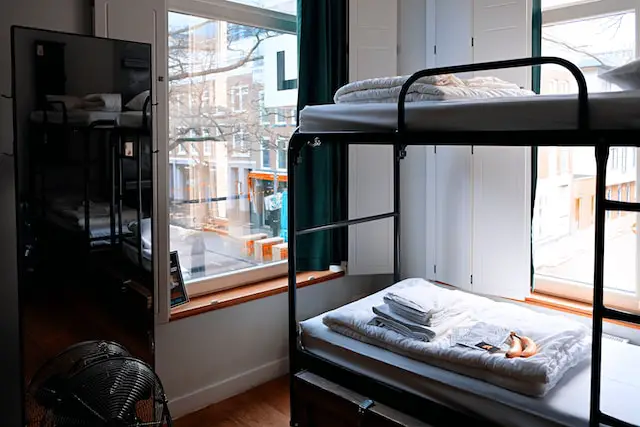
Dorms at California State University, Monterey Bay
Location and Accessibility
One of the most significant benefits of living in the CSUMB dorms is their location. The dorms are located within walking distance of most academic buildings, making it easy for students to get to class on time. Additionally, the campus shuttle system stops at each dorm, providing students with easy access to other areas of campus, including the dining hall and recreational facilities.
The dorms are situated near the center of campus, which is a perfect location for students who want to be in the middle of the action. However, this central location can also be a drawback for some students who prefer a quieter environment. The proximity to campus events and social gatherings can lead to increased noise levels, making it challenging to study or sleep. Nonetheless, overall, the location of the dorms is one of the key selling points for students looking for a convenient and active living environment.
Room Layout and Amenities
The CSUMB dorms come in different styles and layouts, ranging from double occupancy rooms to suite-style living arrangements. Each room is furnished with two beds, desks, chairs, and closet space for each resident. Additionally, the dorms offer various amenities, such as laundry facilities, community kitchens, and lounges.
One significant benefit of living in the CSUMB dorms is the opportunity to build a sense of community with other residents. The communal spaces within each dorm, such as the lounges and kitchens, provide opportunities for students to socialize and connect with others. Furthermore, the dorms offer a variety of programs and events designed to foster community engagement, such as game nights, movie nights, and community service projects.
However, some students may find the dorms’ layout and amenities to be lacking in comparison to off-campus housing options. For example, the rooms can be small and cramped, and there may be limited space to store personal belongings. Additionally, while the communal spaces can be a great way to connect with other students, they can also be crowded and noisy at times.
Cost and Affordability
Another important factor to consider when choosing to live in the CSUMB dorms is cost. The university offers various housing options, ranging in price from $6,118 to $9,350 per academic year. The cost of the dorms includes utilities, internet access, and basic cable, making it a more affordable option than many off-campus housing options.
Furthermore, living in the CSUMB dorms can be a cost-effective choice for students who do not have a car. On-campus parking can be expensive, and finding off-campus parking can be challenging, making the dorms a convenient and budget-friendly option for those without a vehicle.
However, some students may find the cost of the dorms to be prohibitive, especially when compared to off-campus housing options. While the cost of the dorms may include utilities and other amenities, the price per square foot is often higher than that of apartments or houses in the surrounding area.
Conclusion
In conclusion, the CSUMB dorms offer various benefits, including a central location, communal living spaces, and cost-effectiveness. However, students should also consider the potential drawbacks, such as noise levels, limited space, and higher costs compared to off-campus housing. Ultimately, the decision to live in the CSUMB dorms will depend on individual student preferences, financial situation, and lifestyle needs.