Sterling College is a private liberal arts college located in Craftsbury Common, Vermont. It was founded in 1958 and has a reputation for its commitment to environmental stewardship and sustainability. In this article, we will discuss the pros and cons of attending Sterling College.
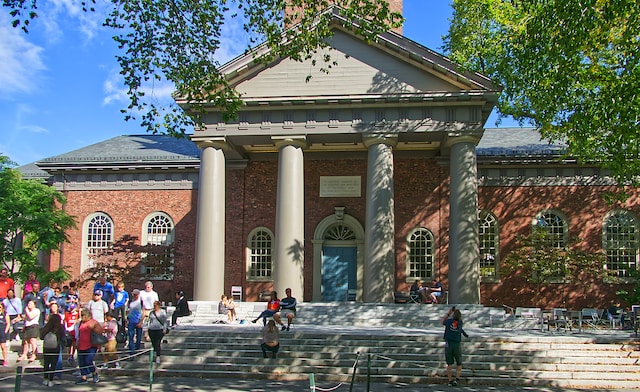
Pros:
- Strong focus on environmental stewardship and sustainability: Sterling College is committed to promoting environmental stewardship and sustainability in its curriculum and campus operations. The college has a number of sustainability initiatives, including a farm-to-table dining program, a permaculture garden, and a commitment to renewable energy.
- Small class sizes: Sterling College has a student-to-faculty ratio of 7:1, which means that students have ample opportunities to work closely with their professors. This can lead to more personalized attention, better feedback on assignments, and a more immersive learning experience.
- Experiential learning opportunities: Sterling College offers a number of experiential learning opportunities, including field studies, internships, and study abroad programs. These programs provide students with hands-on learning experiences and the opportunity to apply what they have learned in the classroom to real-world situations.
- Strong community: Sterling College has a close-knit community of students, faculty, and staff who are committed to environmental stewardship and sustainability. This sense of community can be invaluable in creating a supportive and engaging learning environment.
- Location: Sterling College is located in the heart of Vermont’s Northeast Kingdom, which is known for its scenic beauty and rural character. The location provides students with numerous opportunities for outdoor activities and cultural experiences.
Cons:
- Cost: Like many private colleges, Sterling College can be expensive. The cost of tuition, room, and board may be prohibitive for some students. However, the college does offer financial aid and scholarships to help offset the cost.
- Limited majors: While Sterling College offers a strong environmental studies curriculum, the college has a limited number of majors available. This may be a drawback for students who are interested in pursuing specific fields of study.
- Limited extracurricular activities: Sterling College has a small student body and limited extracurricular activities available on campus. While there are some clubs and organizations, they may not be as robust as those at larger universities.
- Rural location: While the location in Vermont may be a pro for some students, it may be a con for others who are not interested in living in a rural area.
- Weather: Vermont’s Northeast Kingdom experiences cold and snowy winters, which may not be ideal for all students.
In conclusion, Sterling College is a small liberal arts college with a strong focus on environmental stewardship and sustainability. However, the college has a limited number of majors available, limited extracurricular activities, and a rural location that may not appeal to all students. Students who are looking for a close-knit community, a personalized learning experience, and a commitment to environmental stewardship and sustainability may find Sterling College to be a good fit, while those who are looking for a more diverse and vibrant college experience may want to consider other options.