Berkeley College is a private, for-profit institution that offers undergraduate and graduate degree programs in business, fashion, legal studies, and healthcare. Founded in 1931, the college has campuses in New York and New Jersey, as well as an online division. In this essay, I will discuss the pros and cons of Berkeley College based on several factors, including academic programs, campus life, and reputation.
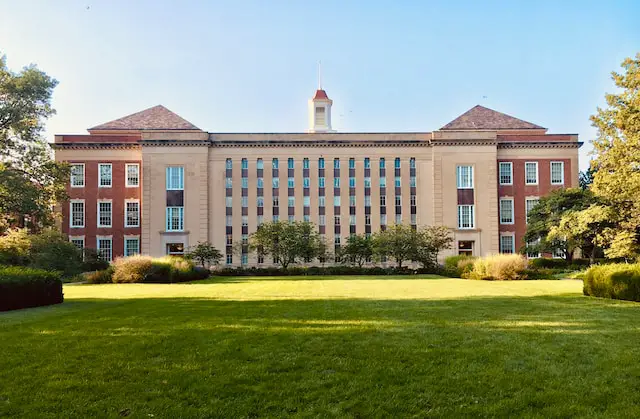
Academic Programs: One of the advantages of Berkeley College is the variety of academic programs offered. The college offers programs in business, healthcare, fashion, and legal studies. These programs are designed to prepare students for careers in their respective fields. The college also offers a range of online degree programs, which allow students to study from anywhere in the world. Another advantage is the small class sizes, which allow for personalized attention from professors.
On the other hand, one of the drawbacks of Berkeley College is the limited number of majors available. The college offers only a few degree programs in comparison to other universities. Additionally, the curriculum may be seen as too focused on practical skills and may lack a broader liberal arts education.
Campus Life: Berkeley College offers students a supportive and engaging campus life experience. The college provides a range of activities, clubs, and organizations that allow students to get involved and meet new people. The college also offers career services to help students find internships and job opportunities.
However, one of the drawbacks of campus life at Berkeley College is the lack of on-campus housing. This may limit the opportunities for students to build relationships with their peers and fully engage in campus life activities. Additionally, the cost of living in the surrounding areas may be higher than some students can afford.
Reputation: Berkeley College has a mixed reputation, which can be seen as both an advantage and a disadvantage. On the one hand, the college has a long history of providing practical education that prepares students for careers in their chosen fields. The college has also been accredited by the Middle States Commission on Higher Education since 1965, which is a mark of quality in the field of higher education.
On the other hand, the college’s for-profit status may be seen as a disadvantage by some students and potential employers. Additionally, the college’s reputation may not be as strong as some other institutions in the region.
Cost: Another factor to consider when evaluating Berkeley College is the cost of attending. The college is a for-profit institution, which means that tuition is generally higher than at public universities. However, the college does offer a range of financial aid options to help students afford the cost of attendance.
Overall, Berkeley College offers a range of advantages and disadvantages for students considering attending. Pros include a variety of academic programs, personalized attention from professors, and a supportive campus life experience. Cons include a limited number of majors, lack of on-campus housing, and a mixed reputation. Ultimately, it is up to each individual student to weigh the pros and cons and decide if Berkeley College is the right fit for them.