Beloit College is a private liberal arts college located in Beloit, Wisconsin, United States. It is a small college offering undergraduate programs in various fields of study, including arts and humanities, natural sciences, social sciences, and interdisciplinary studies. In this article, we will discuss the pros and cons of Beloit College.
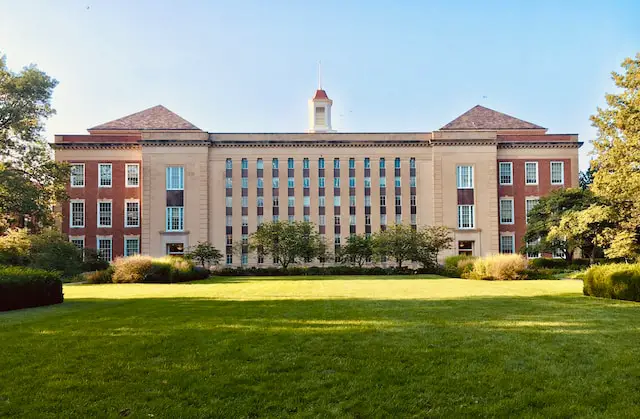
Pros:
- Strong academic programs: Beloit College offers a wide range of academic programs that are well-regarded in their respective fields. The college has been recognized for excellence in education and is accredited by the Higher Learning Commission (HLC).
- Personalized attention: Beloit College is a small college with a student-to-faculty ratio of 11:1, which means that students receive personalized attention from their professors. This allows for more interaction between students and faculty, which can lead to a better learning experience.
- Location: Beloit College is located in a charming part of Wisconsin, surrounded by rolling hills and picturesque lakes. The campus is only a short drive from Madison, Milwaukee, and Chicago, which allows for easy access to cultural amenities and career opportunities.
- Diverse community: Beloit College has a diverse student body, with students from all 50 states and over 40 countries. This creates a dynamic campus culture and provides opportunities for cross-cultural interaction.
- Active campus life: Beloit College has a vibrant campus community, with over 100 student clubs and organizations. The college also hosts a variety of events throughout the year, including concerts, lectures, and cultural celebrations.
- Career preparation: Beloit College is committed to helping its students succeed in their careers. The college has a strong career services center that offers job search assistance, resume building workshops, and other resources to help students prepare for life after graduation.
- Sustainability: Beloit College is committed to sustainability and has implemented a number of initiatives to reduce its carbon footprint. The college has a campus-wide recycling program, uses renewable energy sources, and has built several LEED-certified buildings.
Cons:
- Limited resources: As a small private college, Beloit College may have limited resources compared to larger universities. This can affect the quality of facilities, equipment, and resources available to students.
- Weather: The weather in Wisconsin can be unpredictable, with cold winters and occasional severe weather events. This can make it difficult to travel to and from campus during certain times of the year.
- Limited graduate programs: Beloit College only offers undergraduate programs, which may be a drawback for students who are interested in pursuing advanced degrees in specialized fields.
- Limited research opportunities: Beloit College is primarily a teaching institution, which means that research opportunities may be limited compared to research-focused universities. This may be a disadvantage for students who are interested in pursuing careers in research.
- Limited job opportunities: While Beloit College’s career services center is committed to helping students find jobs after graduation, the job market in the region may be limited, particularly for certain fields.
- Limited extracurricular activities: While Beloit College does offer some extracurricular activities, such as student clubs and organizations, the college’s small size and limited resources may limit the variety of activities available to students.
- Expensive tuition: Beloit College’s tuition and fees are relatively expensive compared to other colleges and universities in the region. This may be a disadvantage for students who are looking for an affordable education.
In conclusion, Beloit College offers strong academic programs, personalized attention, a diverse community, and a charming location. However, it also has some drawbacks, including limited resources, limited graduate programs, and expensive tuition. Ultimately, whether or not Beloit College is the right choice for a student will depend on their individual needs and preferences.