Baker College is a private, nonprofit college with multiple campuses throughout Michigan. The college offers a variety of programs in fields such as business, health sciences, technology, and education. In this essay, we will examine the pros and cons of attending Baker College.
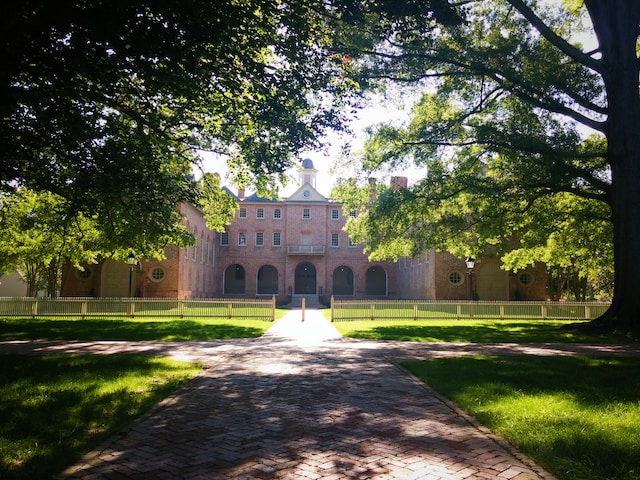
Pros of attending Baker College:
- Hands-on learning: Baker College places a strong emphasis on hands-on learning, which allows students to gain practical experience in their chosen field of study. This approach to learning can be particularly beneficial for students who prefer a more hands-on approach to education.
- Flexibility: Baker College offers a variety of flexible scheduling options, including online classes, evening and weekend classes, and accelerated programs. This flexibility can be particularly advantageous for working adults or students who have other commitments outside of school.
- Career-focused programs: Many of Baker College’s programs are designed to prepare students for careers in high-demand fields. This can be particularly beneficial for students who are looking to enter the workforce immediately after graduation.
- Support services: Baker College offers a variety of support services to help students succeed, including tutoring, counseling, and career services. These resources can be particularly helpful for students who are struggling academically or need guidance in planning their career.
- Affordable tuition: Baker College’s tuition is relatively affordable compared to other private colleges, and the college also offers a variety of financial aid and scholarship options to help students pay for their education.
Cons of attending Baker College:
- Limited campus life: Baker College is primarily a commuter school, which means that there is limited campus life and social opportunities. This can be a disadvantage for students who are looking for a more traditional college experience.
- Limited academic programs: While Baker College offers a variety of programs in high-demand fields, some students may find that the academic programs are limited compared to larger universities. Additionally, the college does not offer graduate programs, which may be a disadvantage for students who are looking to pursue advanced degrees.
- Limited diversity: Baker College has a predominantly white student body, and some students may find the lack of diversity to be a drawback. While the college has made efforts to increase diversity in recent years, there is still a long way to go.
- Limited extracurricular activities: While Baker College offers some extracurricular activities, such as clubs and organizations, there may be limited opportunities for students to engage in activities outside of their academic program.
- Quality of education: Some students may feel that the quality of education at Baker College is not as high as that of other colleges and universities. However, this can vary depending on the program and the individual student’s experience.
In conclusion, Baker College is a good choice for students who are looking for a career-focused education with a strong emphasis on hands-on learning. However, the college may not be the best fit for all students, particularly those who are looking for a more traditional college experience, a wider range of academic programs, or a more diverse campus community. Ultimately, the decision to attend Baker College should be based on an individual student’s needs, interests, and goals.