Introduction
Germany is a nation renowned for its outstanding higher education system, which provides programmes in many different subjects. More than 400 institutions of higher learning, including universities, colleges of fine arts, film and music, and universities of applied sciences, are located throughout the nation. These institutions offer a wide variety of educational possibilities to students and draw them from all over the world. In this post, we’ll talk about how many colleges there are in Germany and give readers important details on the various sorts of higher education facilities there.
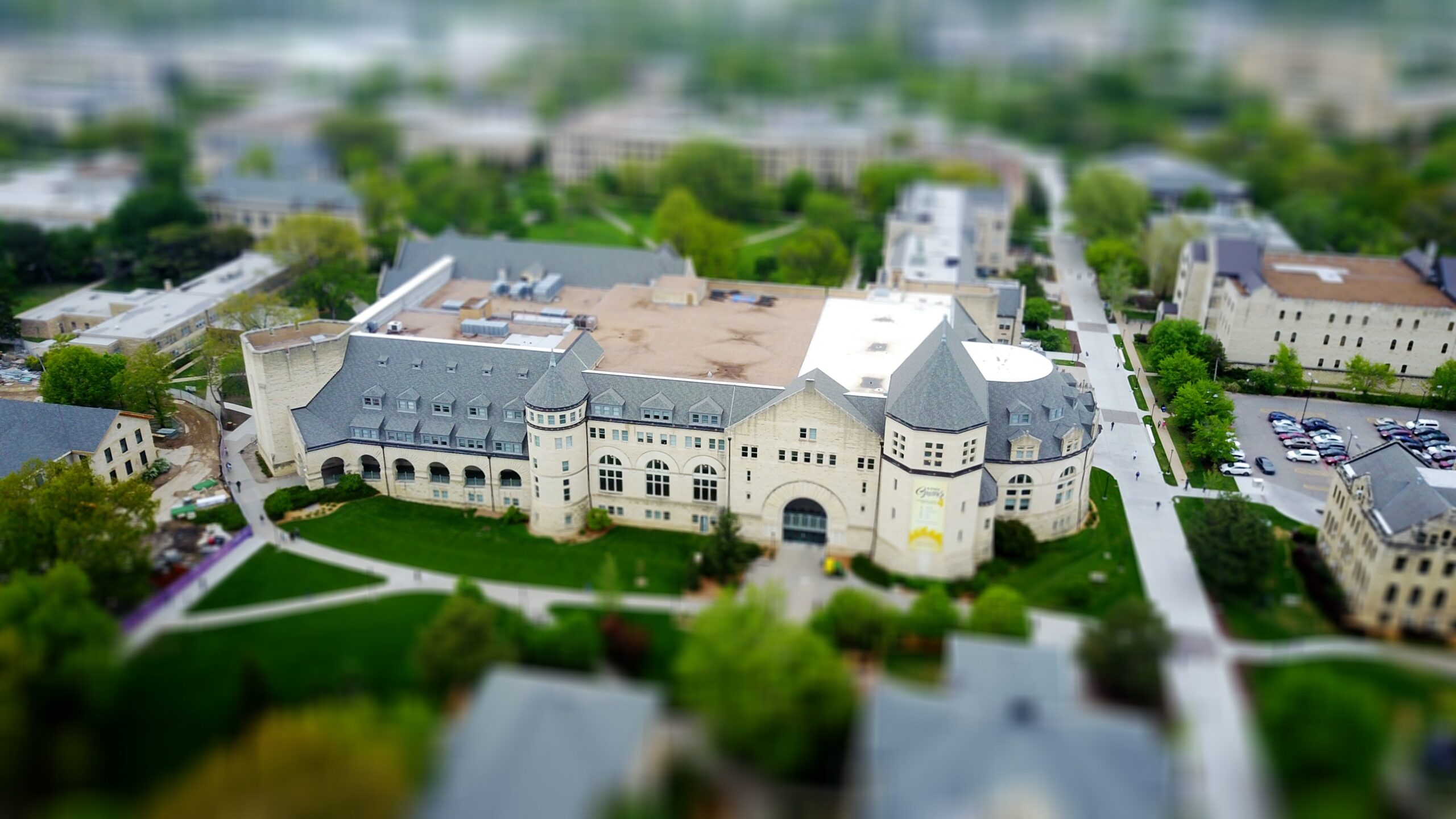
How many colleges are in Germany?
In Germany, there are more than 400 higher education institutions, including colleges for art, film, and music as well as universities and universities of applied sciences. Either of these institutions is public or private. Whereas private colleges charge tuition, public institutions are supported by the government and provide education free of charge. The federal government and the state governments of Germany manage the higher education system. Research and education are coordinated and funded by the Federal Ministry of Education and Research (BMBF).
Universities
There are over 110 universities in Germany, and they are renowned for their outstanding academics and teaching that is based on current research. These universities provide courses in a range of disciplines, including the natural sciences, social sciences, humanities, engineering, and medicine. Traditional universities (Universitäten) and technological universities (Technische Universitäten) are the two categories into which universities are separated. Whereas technical institutions have a larger emphasis on engineering and technology, conventional universities are more concerned with research and teaching.
Universities of Applied Sciences
A form of higher education institution known as a Fachhochschulen is one that prioritises practical training and application-focused research. Courses in disciplines like engineering, business, the social sciences, and media are offered by these institutions. Because of their close ties to business, applied science colleges provide their students with possibilities for internships and hands-on training. Additionally, they give students the chance to engage in practical work and obtain first-hand experience.
Colleges of Art, Film, and Music
There are numerous art, cinema, and music colleges in Germany that provide courses in disciplines like fine arts, film production, music, and design. These universities draw students from all around the world because they are renowned for their creativity and innovation. The art, cinema, and music institutions give its students the chance to engage on creative endeavours and hone their talents while being guided by seasoned professionals.
Private Institutions
Germany has several public and government-funded higher education institutions, but there are also many private universities that provide a wide range of programmes. Tuition costs are charged by private universities in Germany, and these fees might change based on the university and the programme. International students, however, frequently choose private colleges because they can study in English or in specialised disciplines that may not be available at public institutions. For students who seek a more customised approach to education, private colleges may also provide more flexible curricula or lower class numbers.
University Rankings
German universities consistently rank among the best in the world, and students’ choice-making can be significantly influenced by these rankings. One of the most well-known university rating systems is the QS Global University Rankings, and several German universities are included in the top 100. The rankings are determined by a number of elements, such as research productivity, academic standing, and student satisfaction. Rankings should not be the only consideration when selecting a university or programme, it is crucial to remember that each student’s demands and preferences should also be taken into account.
Career Prospects
Germany is a desirable location for students who want to begin their professions following graduation due to its robust economy and low unemployment rate. Strong ties between many German higher education institutions and business partners enable them to offer students internship and employment opportunities. German degrees are well respected internationally, which may lead to work prospects abroad. To set oneself up for a prosperous career after graduation, students should make use of networking opportunities and career resources while still in school.
Conclusion
In conclusion, the higher education system in Germany is strong and offers a wide range of institutions and programmes. Students can choose from a wide range of programmes at traditional research institutions as well as specialised vocational schools, giving them many possibilities to meet their requirements and educational objectives. The dual educational system in Germany and its strong business ties also give students access to practical, real-world experience that can set them apart in the job market once they graduate. Students who study in Germany have the chance to enjoy a rich cultural history and prepare themselves for successful jobs, regardless of whether they are seeking a degree in the arts, sciences, or vocational subjects.
FAQs
- Are there any tuition fees for studying at German universities?
In Germany, the majority of graduate programmes and undergraduate programmes are free to enrol in. On the other hand, several jurisdictions impose a nominal administrative fee of $300 to $400 per semester. The tuition charged by private universities varies by institution and programme.
- How do I apply to study at a German university?
You must review the entrance standards of the institution and programme you are interested in before applying to study at a German university. Your academic records, language competency certifications, and other supporting documents must be submitted. Depending on the institution and programme, the application procedure varies, although most colleges need online applications.
- Can I study in Germany if I do not speak German?
Indeed, especially at the graduate level, many universities in Germany offer courses in English. Nonetheless, you might need to provide proof of German language proficiency if you intend to pursue undergraduate studies. Learning German will also help you interact with people and get the most out of your study abroad experience.