Introduction
Meharry Medical College is one of the oldest and most respected medical schools in the United States, located in Nashville, Tennessee. Founded in 1876, the school has a rich history and has made numerous contributions to the field of medicine. Despite its long history, there are still many fun and interesting facts about Meharry that many people may not know. In this blog post, we will delve into some of these fascinating details, from its founding to its current status as a leader in healthcare education.
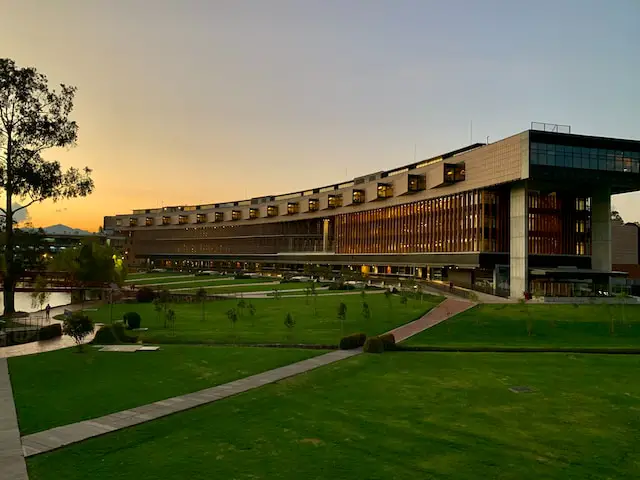
The Founding of Meharry Medical College
Meharry Medical College was founded in 1876 by Samuel Meharry, a wealthy businessman who was deeply committed to providing medical education to African Americans. The school was originally called the Medical Department of Central Tennessee College and was located in downtown Nashville. It was the first medical school in the South to admit black students and was instrumental in training a generation of African American doctors.
In the early years, Meharry faced many challenges, including limited resources and a lack of support from the medical community. However, the school persevered, thanks in large part to the dedication of its faculty and students. Today, Meharry is a thriving institution that continues to provide high-quality medical education to students from all backgrounds.
Notable Alumni
Over the years, Meharry has produced many notable alumni who have gone on to make significant contributions to the field of medicine. One of the most famous is Dr. David Satcher, who served as Surgeon General of the United States from 1998 to 2002. Dr. Satcher is a graduate of Meharry’s Class of 1970 and is widely respected for his work in public health and healthcare policy.
Other notable alumni include Dr. Patricia Bath, an ophthalmologist who invented the Laserphaco Probe for cataract treatment, and Dr. Levi Watkins Jr., a cardiac surgeon who performed the first implantation of a defibrillator in a human patient. Meharry’s alumni have also made significant contributions to medical research, including the development of new treatments for cancer, HIV/AIDS, and other diseases.
Meharry Today
Today, Meharry Medical College is a leading institution for healthcare education and research. The school offers a wide range of programs, including MD, DDS, and MPH degrees, as well as residency and fellowship programs in numerous specialties. Meharry is also home to several research centers and institutes, including the Center for Health Policy, the Institute for Research on Men’s Health, and the Center for Women’s Health Research.
In addition to its academic and research programs, Meharry is also committed to serving the local community. The school operates several clinics and outreach programs that provide healthcare services to underserved populations in Nashville and the surrounding areas. Meharry also partners with local organizations to address public health challenges, such as the opioid epidemic and HIV/AIDS.
Conclusion
In conclusion, Meharry Medical College has a rich history and a bright future as a leader in healthcare education and research. From its founding as the first medical school in the South to admit African American students, to its current status as a hub for medical innovation and community service, Meharry has played a vital role in shaping the field of medicine in the United States. Whether you are a student, a healthcare professional, or simply interested in the history of medicine, Meharry is a fascinating institution with much to offer.