Introduction:
Stanford University is a prestigious institution located in California, known for its academic rigor, research opportunities, and innovation. The campus is home to a diverse community of students, faculty, and staff, and offers a variety of housing options to accommodate its student population. In this blog post, we will explore the different types of dorms at Stanford University, their features, and what makes them unique.
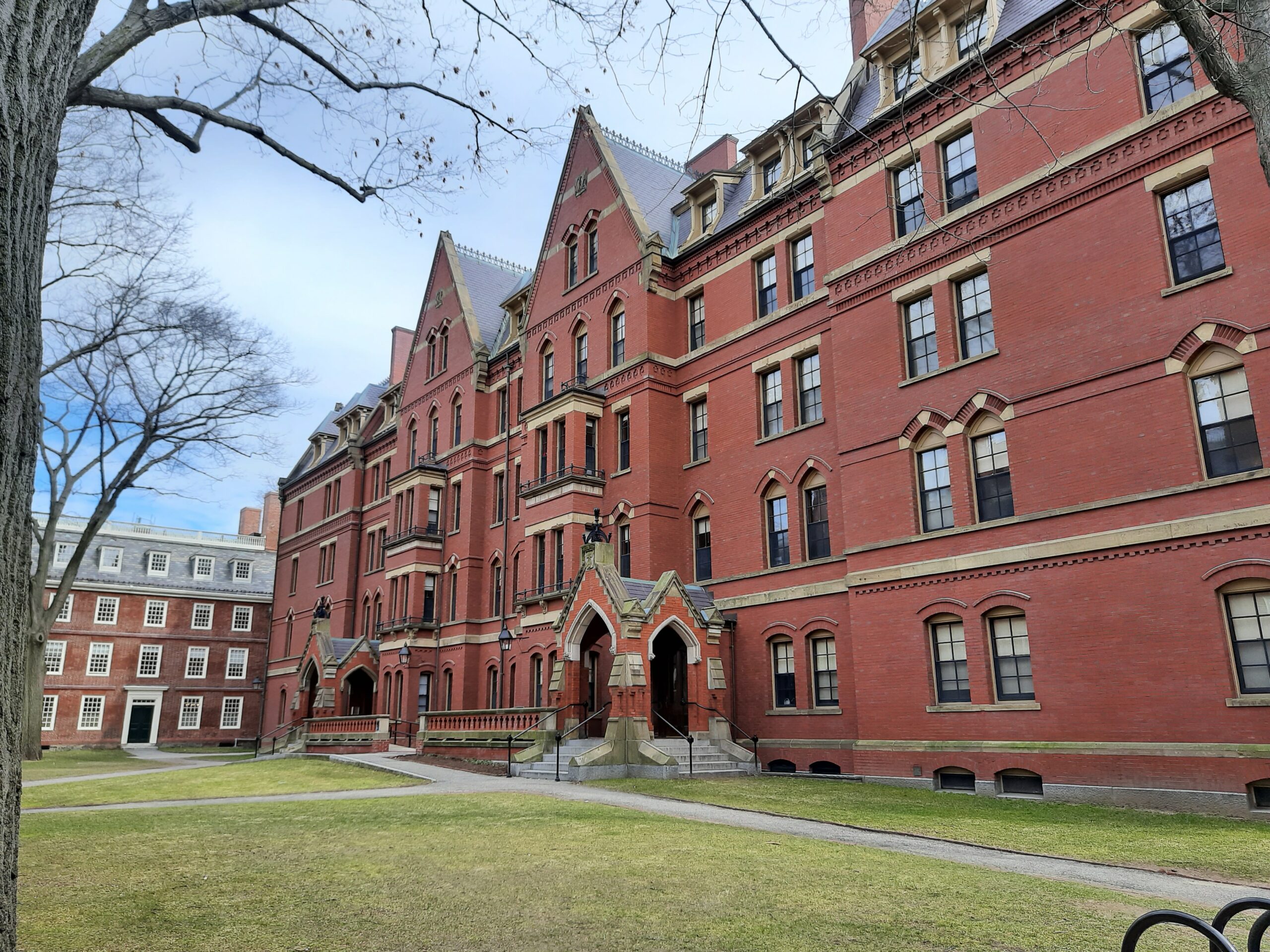
Traditional Residence Halls
Stanford has eight traditional residence halls that offer students a traditional dorm experience. Each of these dorms has a unique personality and is equipped with various amenities. Stern Hall, for example, is the only all-female dorm on campus and offers a tight-knit community. Freshman are required to live in traditional residence halls, but upperclassmen also have the option to live there.
The traditional residence halls offer communal bathrooms, common areas, study rooms, and laundry facilities. The rooms are typically shared between two to three people and come equipped with desks, chairs, beds, and dressers. The dorms also have Resident Assistants (RAs) who are trained to support students and facilitate community building. Many of the traditional dorms also have dining halls in close proximity.
Suites and Apartments
In addition to traditional dorms, Stanford offers suite and apartment-style living options. These options allow for greater independence, privacy, and flexibility for students. Suites offer a mix of private and shared spaces, while apartments are fully equipped with kitchens and living rooms.
Escondido Village Graduate Residences, for example, is a popular apartment-style housing option for graduate students and families. Each unit includes a kitchen, living room, and private bedrooms. The Rains Houses are also popular for upperclassmen and offer apartment-style living with a shared kitchen and living room.
Theme Houses
Stanford has several theme houses that cater to students with a specific interest or background. These dorms offer a unique community and are open to students of all class years. Casa Zapata, for example, is a theme house for students interested in Chicano and Latinx cultures. It offers a close-knit community and hosts events and activities that celebrate Latinx heritage.
Other theme houses include Muwekma-Tah-Ruk, which is a Native American themed dorm, and Okada, which is dedicated to Asian American and Pacific Islander students. These dorms offer students the opportunity to connect with peers who share similar backgrounds and interests.
Co-ops
Stanford also has several co-op housing options that offer students a unique living experience. Co-ops are student-run organizations that provide affordable housing and communal living. Students in co-ops typically share chores and responsibilities such as cooking and cleaning.
Synergy, for example, is a popular co-op that offers a tight-knit community and vegetarian meals. Columbae is another co-op that is known for its commitment to sustainability and social justice. Co-ops offer a unique opportunity for students to take ownership of their living situation and build strong relationships with their housemates.
Conclusion:
Stanford University offers a variety of housing options that cater to the diverse needs and interests of its student population. From traditional residence halls to co-ops, there is something for everyone. Each type of housing offers unique features and benefits, but they all share a common goal of providing students with a supportive and welcoming community. Choosing the right housing option is an important decision, and students at Stanford have a wealth of options to choose from.